Screen Printing Vs Sublimation Printing Vs Digital Printing
by Anthony Clark · April 03, 2022
You're running a small print shop and a client walks in wanting 500 custom t-shirts for a company retreat — by Friday. Three options are sitting right in front of you: screen printing, sublimation, and digital printing. Each one promises vibrant, lasting results, but they work in completely different ways. If you're trying to sort out screen printing vs sublimation printing — and figure out where digital printing fits into that equation — this guide breaks down the equipment, costs, quality, and ideal use cases for each. For a focused head-to-head, our guide on screen printing vs sublimation: key differences, pros and cons goes even deeper on those two methods.
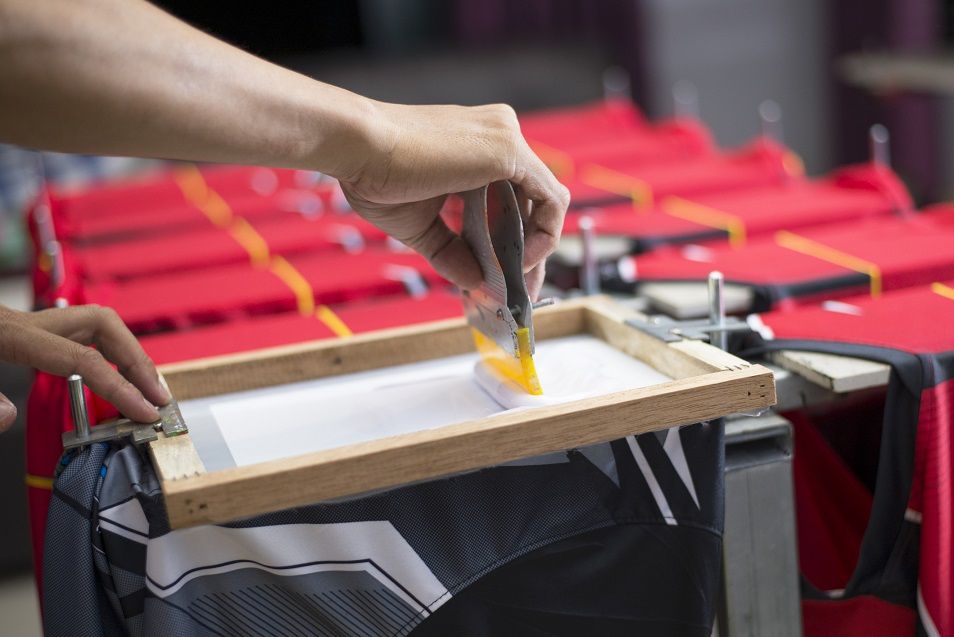
These three printing methods dominate the custom apparel and merchandise world for good reasons. Screen printing has been the industry workhorse for over a century, valued for its durability and bold color payoff. Sublimation printing surged in popularity alongside performance polyester fabrics, offering seamless all-over designs with no hand feel. Digital printing — often called DTG (direct to garment) — opened the door to small-run orders with photographic complexity that neither screen nor sublimation can easily match. Each method has a different process, a different equipment list, and a different sweet spot.
Whether you're building a printing business from scratch, upgrading an existing setup, or just trying to understand what your print provider is actually doing to your shirts, this guide gives you a clear, honest comparison. Let's get into it.
Contents
The Gear You Need for Each Method
Your equipment investment is often the first real decision point. The three methods have very different startup costs and space requirements — and that alone can narrow your choices quickly.
Screen Printing Equipment

Screen printing requires the most hands-on setup of the three. Here's what a typical shop needs:
- Mesh screens — one per color in your design
- Emulsion and a darkroom or UV exposure unit for burning screens
- A manual or automatic press (1-station manual presses start around $300; commercial automatics run $10,000+)
- Plastisol or water-based inks
- A flash dryer or conveyor dryer to cure the ink
- Squeegees, tape, and a washout booth for screen reclaiming
The learning curve is real. Setting up registration, mixing colors, and curing properly all take practice. But once you're dialed in, the throughput on large runs is hard to beat. According to Wikipedia's overview of screen printing, the process dates back to silk-screen techniques developed in East Asia — and the fundamentals haven't changed dramatically since.
Sublimation Printing Equipment

Sublimation has a much lower barrier to entry in terms of space and upfront cost:
- A sublimation-capable inkjet printer (converted Epson EcoTank models are popular entry-level options)
- Sublimation ink and sublimation transfer paper
- A heat press capable of reaching 380–400°F with even pressure
- Polyester or poly-coated blanks (sublimation only works on light-colored, high-poly-content substrates)
- Tape and protective paper for pressing
The entire setup for a beginner sublimation operation can come in under $500. That's a significant advantage over screen printing's initial investment — and there's no screen prep, no emulsion, and no washout involved.
Digital Printing Equipment

DTG printers are purpose-built machines that print directly onto garments using modified inkjet technology. What you need:
- A DTG printer (entry-level units start around $15,000; professional machines run $30,000–$100,000+)
- A pretreatment machine or spray system (essential for printing on dark cotton)
- A heat press or tunnel dryer to cure the print
- RIP software to manage color profiles and print settings
DTG has the highest equipment cost of the three methods. That said, it also has the lowest per-design setup cost — no screens to burn, no transfers to prep. You send a file and print.
When Each Printing Method Makes Sense
No single method is universally best. The right choice depends on your order size, your substrate, your design complexity, and your budget. Here's how to think through it.
When to Use Screen Printing
Screen printing is the strongest choice when:
- You're printing 100+ units of the same design (setup costs are amortized over volume)
- Your design uses 1–5 solid colors with no gradients
- You need maximum ink opacity — especially white ink on dark garments
- Your client wants a thick, tactile ink feel
- Long-term durability is the priority (plastisol ink outlasts most alternatives)
If you're weighing screen printing against another popular method, our breakdown of screen printing vs heat press can help you decide which fits your workflow better.
Screen printing becomes difficult when your design has photographic detail, more than 6–8 colors, or when your order size is under 25 pieces. Setup time and cost simply don't justify it at low quantities.
When to Use Sublimation

Sublimation shines in specific situations:
- All-over or edge-to-edge prints (jerseys, activewear, flags, mugs, phone cases)
- Full-color, photographic, or gradient designs with unlimited color use
- Short runs — even single pieces — since there's no per-job setup cost
- Hard substrates with a poly coating: mugs, tumblers, tiles, mousepads
- Light-colored polyester garments (100% poly or 65%+ poly blends)
Where sublimation fails: dark garments, natural fibers (cotton, linen, wool), and anything where you need a white ink underbase. The dye bonds with polymer molecules — if those molecules aren't present in sufficient quantity, you'll get a faded, washed-out result.
When to Use Digital Printing
DTG fills the gap between screen printing's color limitations and sublimation's fabric restrictions:
- Small runs (1–50 pieces) with complex, multi-color artwork
- On-demand printing for e-commerce without minimum order requirements
- Cotton garments in any color — especially dark shirts that sublimation can't touch
- Photographic prints or designs with dozens of colors and gradients
The downside is slower production speeds compared to screen printing at scale, and higher per-unit costs on large orders.
Caring for Your Prints Over Time
How a print holds up over dozens of wash cycles matters a lot to end customers — and to your reputation as a printer. Each method has different durability characteristics.
Washing and Upkeep
Here are the general care guidelines for each print type:
Screen printed garments:
- Wash inside out in cold water
- Avoid high heat in the dryer — it can crack plastisol over time
- Skip bleach entirely; it degrades both ink and fabric
- Tumble dry low or hang dry for best results
Sublimation printed garments:
- Wash cold, tumble dry low — sublimation prints are extremely wash-resistant since the dye is bonded into the fiber, not sitting on top
- Avoid ironing directly on the printed area at high heat (it can cause re-sublimation)
- No special inside-out requirement, but it doesn't hurt
For sublimation-specific care tips, our guide on how to wash sublimation shirts covers the full process with step-by-step instructions.
DTG printed garments:
- Wash inside out in cold water — this is more important for DTG than any other method
- Avoid dryer heat when possible; air dry is safest
- Never bleach
- DTG prints on dark garments (which use a white underbase) are the most vulnerable to fading
Which Method Lasts Longest
In terms of raw longevity under normal use:
- Sublimation — the dye is part of the fabric itself; there's nothing to crack, peel, or flake. Easily outlasts the garment.
- Screen printing with plastisol ink — extremely durable when properly cured, lasting 50+ washes without significant fading.
- DTG — the shortest typical lifespan, especially on darks. Proper pretreatment and curing extend print life significantly, but it still trails the other two under heavy washing conditions.
Which Method Matches Your Skill Level
Not everyone starting in printing has the same experience base. Some methods are genuinely more forgiving for newcomers. Others reward patience and technical knowledge with results that are hard to replicate any other way.
Best for Beginners
If you're just getting started, sublimation is generally the most accessible entry point:
- Lower equipment cost means lower risk if the business doesn't take off immediately
- No screen setup, no emulsion, no washout — fewer variables to manage
- Mistakes are easier to identify (uneven pressure, wrong temperature) and easier to fix
- You can start producing sellable products within a few hours of receiving your equipment
DTG is a reasonable second option for beginners who want to work with cotton — but the pretreatment step adds complexity, and machine maintenance is ongoing. If you want to learn the fundamentals of heat-based garment decorating before jumping into full DTG, our guide on the basics of t-shirt heat printing is a great place to start.
Best for Advanced Printers
Screen printing rewards experience and investment in ways the other methods don't:
- Color separation and registration are skills that take time to develop properly
- Ink mixing, mesh count selection, and squeegee technique all affect output quality
- An experienced screen printer can produce colors and opacity levels that neither sublimation nor DTG can replicate
- High-volume production efficiency is only unlocked once you've streamlined your process
Advanced DTG operators can also achieve remarkable results through precise pretreatment management, custom RIP profiles, and post-cure finishing — but the ceiling there is lower than screen printing in terms of ink feel and opacity.
Side-by-Side: How the Three Methods Stack Up
Sometimes you just need the numbers. Here's a quick comparison to give you a clear picture before you commit to a method.
Cost and Volume
| Factor | Screen Printing | Sublimation | Digital / DTG |
|---|---|---|---|
| Startup Cost | $1,000–$15,000+ | $300–$1,500 | $15,000–$100,000+ |
| Per-Job Setup | High (screen burning) | None | None |
| Ideal Run Size | 100+ pieces | 1–200 pieces | 1–75 pieces |
| Cost per Unit (large run) | Very low | Low–moderate | Moderate–high |
| Colors per Design | 1–8 (practical max) | Unlimited | Unlimited |
| Best Fabric | Cotton, blends | Polyester (light) | Cotton, dark fabrics |
| Wash Durability | Excellent | Outstanding | Good (varies) |
| All-Over Printing | Difficult / costly | Yes | Limited |
Quality and Fabric Compatibility
Quality looks different depending on what you're measuring:
- Color vibrancy: Sublimation wins on photographic prints. Screen printing wins on solid, opaque spot colors.
- Hand feel: Sublimation has zero hand feel (the dye is inside the fabric). Screen printing with thick plastisol has the most tactile feel. DTG falls in between.
- Dark garment performance: Screen printing and DTG both handle darks well. Sublimation cannot.
- Hard goods: Only sublimation works on poly-coated mugs, tiles, and phone cases. Screen printing and DTG are garment-focused.
Tips That Make a Real Difference
No matter which method you choose, a handful of practical habits separate good results from great ones. These tips apply whether you're on your first print run or your five hundredth.
Pro tip: Always run a test print on the same substrate you plan to use for the final order — fabric weight, weave, and poly content all affect how ink or dye bonds, and a quick test print can save an entire batch.
Screen Printing Tips
- Use the right mesh count for your ink type — lower mesh (110–160) for thicker inks, higher mesh (200+) for fine detail and water-based inks.
- Always check your squeegee angle and pressure consistency across the screen — uneven pressure causes patchy coverage.
- Fully cure plastisol at 320°F internal temperature; use a donut probe or wash test to confirm curing, not just timing.
- Keep your screens clean and reclaim them properly — dried emulsion or ink buildup ruins future prints.
- For multi-color designs, print the lightest color first and work toward the darkest.
Sublimation Tips
- Always pre-press your blank for 5–10 seconds to remove moisture and wrinkles before the actual sublimation press.
- Use heat-resistant tape to secure your transfer paper — even slight movement during pressing causes ghosting.
- Mirror your image before printing — it transfers in reverse.
- Press at the right temperature and time for your specific substrate; mugs, shirts, and hard panels all have different optimal settings.
- Store unused sublimation ink cartridges at room temperature and print at least weekly to prevent clogging — consistent use keeps printheads in shape.
Digital Printing Tips
- Pretreatment is everything for dark garments — too little and your white underbase fades; too much and you get a stiff, crinkled hand feel.
- Use high-resolution artwork (300 DPI minimum) to avoid visible pixelation in the final print.
- Maintain your printhead nozzles diligently — DTG machines need regular cleaning cycles and ink circulation to stay in peak condition.
- Cure the pretreatment before printing, not just after — this is a step many beginners skip and then wonder why prints look muddy.
- For light garments, skip the underbase to save time and ink without sacrificing quality.
Frequently Asked Questions
Is screen printing or sublimation better for t-shirts?
It depends on your fabric and order size. Screen printing is better for cotton shirts in large quantities with bold, simple designs. Sublimation is better for polyester shirts with complex, full-color or all-over artwork in smaller runs. Neither is universally superior — they serve different markets and design types.
Can you use sublimation on dark shirts?
Not effectively. Sublimation dye is transparent — it only shows up against light backgrounds. On dark polyester, the printed design will either disappear or appear very faint. If you need vivid prints on dark fabrics, screen printing or DTG are your practical options.
Which printing method is cheapest for small orders?
Sublimation wins for small runs on compatible substrates — there's no setup cost per design, and the consumables are inexpensive. DTG is a close second for cotton garments in low quantities. Screen printing becomes cost-competitive only once you're producing enough units to spread the screen setup cost across the order.
Key Takeaways
- Screen printing vs sublimation printing comes down to fabric type and order size — cotton + high volume favors screen printing, polyester + small runs favors sublimation.
- Digital (DTG) printing bridges the gap for complex artwork on cotton in small quantities, but carries the highest equipment investment of the three.
- Sublimation offers the best long-term print durability since the dye bonds directly into the fabric fiber, while DTG prints — especially on darks — require the most careful washing.
- No single method is the right choice for every job; understanding the strengths and limits of each one lets you match the method to the project instead of forcing the project to fit your method.
 |  |  |  |

About Anthony Clark
Anthony Clark spent nine years running a custom printing studio in Phoenix, Arizona, producing sublimation-printed drinkware, heat-pressed apparel, and branded merchandise for sports leagues, small businesses, and online retailers. That hands-on production background means he has calibrated hundreds of heat press cycles, sourced sublimation blanks from over a dozen suppliers, and troubleshot every coating and color-shift problem that shows up when dye meets polyester. He left the shop floor in 2019 to write full-time about the techniques and equipment he used daily. At PrintablePress, he covers sublimation printing and heat press methods.


Get some FREE Gifts. Or latest free printing books here.
Disable Ad block to reveal all the secret. Once done, hit a button below
| | | |