How to Properly Use Rubber Stamps
by Karen Jones · April 03, 2022
The first time I tried rubber stamping, I pressed too hard, then twisted the stamp slightly when lifting — and ended up with a smeared, ghosted impression on my best card stock. That small mistake wasted an entire afternoon of card-making prep. If you want to learn how to properly use rubber stamps, the real answer starts with one word: control. Whether you're decorating handmade birthday cards, branding small business packaging, or exploring the broader world of print crafts, the difference between a crisp result and a muddy mess comes down to a handful of habits. This guide gives you all of them.

Rubber stamps have been in commercial use since the 1860s, and they've stayed popular for a reason — they're fast, repeatable, and satisfying once you nail the technique. Today crafters use them for scrapbooking, card making, fabric decoration, journaling, gift wrapping, and small business branding. The tools are simple. The technique is what separates professional-looking impressions from blurry disasters.
Below you'll find real project examples, an honest breakdown of what stamps can and can't do, a step-by-step technique guide from beginner to advanced, and the most common mistakes people make. Let's get into it.
Contents
Rubber Stamping in Action: Real Projects to Inspire You
Before diving into technique, it helps to see where rubber stamps actually shine. Here are the most common and rewarding ways people use them in the real world.
Card Making and Scrapbooking
These are the two most popular entry points for new stampers — and for good reason. The materials are inexpensive, the projects are small, and the results look impressive even when you're just starting out.
- Greeting cards — stamp a border design, a sentiment phrase, or a decorative motif on cardstock for an instantly handmade look
- Scrapbook layouts — use background stamps to add texture, or stamp labels and captions directly on photo borders
- Gift tags and envelopes — a single stamped image on a kraft paper tag elevates any gift without extra cost
- Journaling and planners — stamps work great in bullet journals for headers, decorative frames, habit trackers, and repeat icons
For card making specifically, water-based dye ink is your best starting point. It dries fast on paper and gives crisp, clean edges. Pigment ink — thicker, slower-drying — works better when you plan to heat-emboss (melt embossing powder over the wet ink for a raised, glossy finish).
Fabric, Packaging, and Business Uses
Rubber stamps aren't just for paper. With the right ink, you can stamp on fabric, wood, leather, and even corrugated cardboard packaging.
- Fabric decoration — use fabric-specific ink pads and heat-set with a dry iron for a permanent design on cotton or canvas. This pairs naturally with iron-on transfer techniques when you want complex designs alongside your stamped elements
- Product packaging — small businesses stamp kraft boxes, tissue paper, and mailer bags with logos or thank-you messages for a professional handmade touch
- Wax seals — metal or silicone seal stamps pressed into hot wax give envelopes and gift packages a premium, upscale feel
- Matching stationery sets — stamp coordinated patterns on notecards, envelopes, and notebooks to create cohesive sets to sell or gift
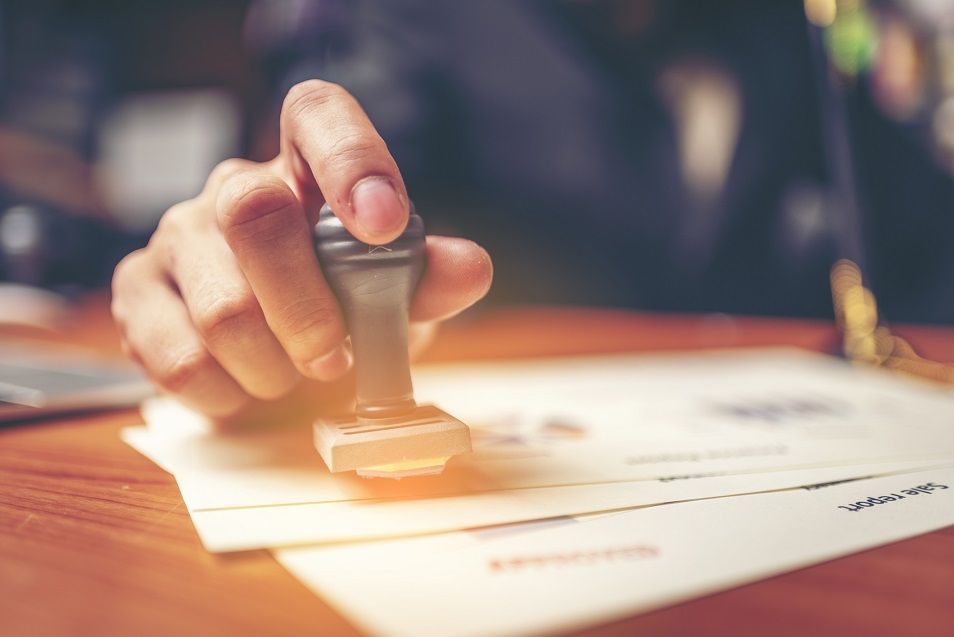
What Rubber Stamps Do Well — And Where They Fall Short
Rubber stamps are genuinely useful tools. But they're not magic. Here's an honest breakdown so you know when to reach for a stamp — and when another tool serves you better.
| Feature | Rubber Stamps | Alternative (Digital Print / Vinyl Stickers) |
|---|---|---|
| Setup time | 30 seconds | 5–20 minutes (design, print, cut) |
| Cost per use | Very low (re-inkable) | Low to moderate (ink + paper or vinyl) |
| Detail level | Moderate | Very high (photo-quality precision) |
| Surface versatility | High (paper, fabric, wood, leather) | Limited (needs flat, smooth surface) |
| Color complexity | One color per stamp pass | Full CMYK color in a single pass |
| Repeatability | Excellent (identical impressions) | Excellent |
| Portability | Very high — no power needed | Low — requires a printer or cutter |
| Learning curve | Low to moderate | Moderate to high |
The Real Advantages
- Speed — ink a stamp, press it, lift it. A greeting card that takes 45 minutes to hand-draw takes 30 seconds to stamp
- Consistency — every impression is identical. That's invaluable for production runs of cards, packaging, or event materials
- Low cost — a quality rubber stamp set costs less than one printer ink cartridge and produces thousands of impressions
- Tactile appeal — stamped items carry a handmade, physical quality that digital prints often can't replicate
Honest Limitations
- Multi-color designs require multiple stamp passes — one stamp, one color at a time
- Fine detail is harder to achieve than with a printer or vinyl cutter. If precision is the priority, look into printing vinyl stickers for that kind of work
- Curved or heavily textured surfaces are tricky — stamps need flat, even contact to produce clean results
- Rubber degrades over time, especially when stored in heat or direct sunlight
How to Properly Use Rubber Stamps: Beginner to Advanced
This is the section that matters most. Getting the technique right is what turns a frustrated beginner into someone who stamps confidently every single time.
The Beginner's Step-by-Step Process
Follow these steps in order until they become muscle memory. Don't skip any of them.
- Choose the right ink for your surface. Dye ink for paper. Pigment ink for embossing. Fabric ink for textiles. Using the wrong ink is the single biggest cause of poor results — fix this first.
- Ink the stamp evenly. Tap the stamp gently on the ink pad two or three times. Don't press and drag — you'll oversaturate one side. Tap lightly and check that the entire design is coated before you stamp.
- Position before pressing. Place the stamp where you want it before applying any pressure. Once it touches the surface, don't slide it.
- Press firmly and evenly. Apply steady downward pressure across the entire stamp. Use both hands — one pressing the center, one pressing the edges — for larger stamps.
- Lift straight up. Pull the stamp directly upward without rocking or twisting. Any lateral movement will smear the image. This single step is what most beginners get wrong.
- Clean immediately after use. Wipe or rinse the stamp before the ink dries. Dried ink ruins the rubber surface and fills in the detail over time.
Practice on scrap paper first. Always. Even experienced stampers do a test impression before committing to the final piece. It takes ten seconds and saves a lot of frustration.
Advanced Techniques for Better Results
Once you've mastered the basics, these techniques open up a lot more creative territory.
- Masking — stamp an image, cut it out of scrap paper, place it over the stamped image, then stamp a second overlapping image. The mask hides the first so the second appears to go behind it, creating layered depth
- Heat embossing — stamp with pigment ink, dust immediately with embossing powder (fine metallic or colored particles), then melt with a heat gun. The powder fuses into a raised, glossy finish that looks professional
- Watercolor stamping — stamp in black archival ink, then color the image with watercolor markers or paints. Archival ink resists water and won't bleed when you paint over it
- Resist techniques — stamp with clear embossing ink, heat-emboss the image, then brush ink or paint across the whole surface. The embossed areas repel the ink, leaving your design highlighted against a colored background
- Color blending — apply two ink colors to the stamp using blending markers or two ink pads before pressing. You get a gradient or two-tone effect in a single impression

Stamping Mistakes That Ruin Your Work
These are the mistakes that show up most often — including the ones I made myself early on. Learn them now so you don't have to learn them the hard way.
Ink and Pad Problems
- Using a dried-out ink pad — if your impressions look faded or patchy, your pad is dry. Re-ink it or replace it. A dry pad will waste every attempt
- Wrong ink for the surface — dye ink on fabric washes out. Pigment ink on glossy paper won't dry properly. Always match ink type to surface before you start
- Over-inking the stamp — too much ink fills in fine details and bleeds outside the design edges. Light, even tapping is all you need
- Not cleaning between colors — if you're using one stamp with multiple ink colors in a session, clean it completely between uses. Residual ink contaminates the next color and muddies the result
Pressure and Alignment Errors
- Uneven pressure — rocking the stamp left to right while pressing creates double impressions and blurry edges. Press straight down and hold completely still
- Moving the stamp while lifting — this is the number one cause of smearing. Lift straight up, no rotation, no sliding, no hesitation
- Stamping on an unstable surface — if your paper shifts while you press, the impression shifts with it. Use a non-slip mat or tape your paper down to the work surface
- Skipping the test impression — stamping directly on your finished piece without a practice run is overconfidence. Do one test on scrap paper every time, no exceptions
- Storing stamps face-down — this warps and distorts the rubber over time. Store stamps flat with the rubber side facing up, away from heat and direct light
Frequently Asked Questions
What is the best ink for rubber stamps on paper?
Dye-based ink is the best choice for most paper projects. It dries fast, produces crisp edges, and comes in hundreds of colors. Use pigment ink only when you plan to heat-emboss, since it stays wet long enough for embossing powder to adhere properly.
How do you clean rubber stamps properly?
Wipe the stamp with a damp cloth or unscented baby wipe immediately after use. For stubborn or dried ink, use a dedicated stamp cleaner with a soft scrub pad. Never soak rubber stamps in water — prolonged moisture degrades the rubber and loosens the adhesive mount.
Can you use rubber stamps on fabric?
Yes, but you must use fabric-specific ink pads designed for textiles. Once you've stamped the design, heat-set it with a dry iron on high heat to make it permanent and machine washable. Standard dye or pigment inks will fade or wash out completely on fabric.
Why does my rubber stamp leave a blurry impression?
The three most common causes are: too much ink on the stamp, uneven pressure while pressing, or movement when lifting. Do a practice impression on scrap paper, apply lighter ink coverage by tapping more gently, and lift the stamp straight up without any rocking or sliding.
How do you store rubber stamps to make them last longer?
Store stamps flat with the rubber side facing up in a cool, dry place away from direct sunlight and heat sources. Heat warps the rubber and breaks down the adhesive that holds the stamp to its mount. A simple lidded storage box or dedicated stamp binder works perfectly.
What surfaces can rubber stamps be used on?
With the right ink type, you can stamp on paper, cardstock, cardboard, fabric, wood, leather, and even polymer clay. Smooth, flat surfaces give the cleanest and most consistent results. Rough, textured, or curved surfaces are harder to stamp evenly and may require extra pressure adjustment.
Do I need a special tool to align rubber stamps precisely?
For basic projects, eyeballing placement works fine. For precise repeat patterns or multi-stamp layered compositions, a stamping platform — a hinged acrylic tool that lets you position and re-press the stamp in the exact same spot — is absolutely worth the small investment.
How is rubber stamping different from using a vinyl cutter or Cricut?
Rubber stamping is faster for simple, repeat designs and requires zero power, software, or setup time. A vinyl cutter gives you far greater design precision and full multi-color complexity. Most crafters use both — stamps for quick handmade touches, cutters for detailed custom work that demands precision.
Key Takeaways
- Learning how to properly use rubber stamps starts with matching your ink type to your surface — using the wrong ink is the most common beginner mistake and the easiest to fix.
- Press straight down with even pressure and lift straight up without rocking or sliding — these two habits alone will dramatically improve every impression you make.
- Always do a test impression on scrap paper before stamping your final piece — this one habit saves more projects than any other tip on this list.
- Advanced techniques like heat embossing, masking, and watercolor stamping can transform simple stamps into sophisticated, layered artwork once you've locked down the basics.
 |  |  |  |

About Karen Jones
Karen Jones spent seven years as an office manager at a mid-sized financial services firm in Atlanta, where she was responsible for a fleet of more than forty inkjet and laser printers spread across three floors, managed ink and toner procurement contracts, and handled first-line troubleshooting for connectivity failures, paper jams, and driver conflicts before escalating to IT. That daily exposure to printers from Canon, Epson, HP, and Brother under real office conditions gave her a practical command of setup, maintenance, and common failure modes that spec sheets never capture. At PrintablePress, she covers printer how-to guides, setup and troubleshooting tips, and practical advice for home and office printer users.


Get some FREE Gifts. Or latest free printing books here.
Disable Ad block to reveal all the secret. Once done, hit a button below
| | | |