36 Best Sublimation Blanks Products in 2026
by Anthony Clark · April 08, 2022
My first sublimation order was a disaster — twelve coffee mugs that came out looking like someone sneezed watercolors on them. The blanks I'd ordered from a random online seller turned out to have a thin, uneven polymer coating, and the colors barely bonded at all. If you want prints that actually last, choosing the best sublimation blanks products is the foundation of everything. This guide covers 36 popular blank categories — from t-shirts and mugs to license plates and guitars — so you know exactly what to buy, what to skip, and how to get vivid, durable results every time. Browse all our resources on the sublimation category page for deeper coverage on any topic.

Sublimation printing works by converting dye from solid to gas under heat and pressure, permanently bonding it to polymer molecules in the substrate. This chemistry is why not every blank works — and why picking the wrong one wastes your ink, your time, and your money. If you're new to the process, start with our guide to sublimation printing before diving into products.
The 36 categories below span apparel, drinkware, home décor, novelties, and specialty items. Some are beginner-friendly with wide margins for error. Others demand precise settings and premium blanks. By the time you finish reading, you'll know which products match your skill level, your budget, and your customers' expectations.
Contents
- When to Choose Sublimation Blanks (and When to Pass)
- How the Top Sublimation Blank Categories Compare
- The Equipment Every Sublimation Printer Needs
- Breaking Down the Cost of Sublimation Blanks
- Pro Tips That Separate Good Prints from Great Ones
- Sublimation Blank Myths You Should Stop Believing
- Caring for Your Sublimation Products After Printing
- Fixing the Most Common Sublimation Problems
- Building a Sustainable Sublimation Product Line
- Frequently Asked Questions
When to Choose Sublimation Blanks (and When to Pass)
Sublimation delivers full-color, photographic-quality prints that become part of the substrate itself — not a layer sitting on top. That distinction matters enormously for durability and feel. Knowing when to use sublimation and when to choose a different process saves you from expensive, frustrating mistakes.
Ideal Use Cases for Sublimation
Sublimation excels when you need:
- Edge-to-edge, all-over prints — no white halos, no cracking at the edges
- Photographic or gradient designs that screen printing can't reproduce cleanly
- Permanent color that won't peel, crack, or wash out over repeated use
- Small to medium production runs without screen setup costs
- Personalized, one-of-a-kind custom orders with fast turnaround

T-shirts are the most requested sublimation blank, and they must be 100% polyester (or a high-poly blend) on a white or light base. The same rule applies to hoodies, leggings, and athletic wear. For hard substrates like mugs, tiles, and plaques, the blank needs a polyester-based coating the dye can penetrate. Both textile and hard substrate blanks work best when you're printing complex, multicolor artwork that would cost a fortune to screen print at low volumes.
When Sublimation Isn't the Right Call
Sublimation doesn't work on dark fabrics, 100% cotton, or uncoated hard surfaces. According to Wikipedia's overview of dye-sublimation printing, the process requires a thermoplastic polymer content to accept and retain the dye — which is why cotton locks out this method entirely. If your customer wants a black t-shirt or a vintage-wash cotton tote, point them toward DTG, screen printing, or heat transfer vinyl instead. Sublimation on the wrong blank produces a faded ghost image that washes out within a few cycles.
You should also reconsider sublimation for extremely high-volume runs where offset or screen printing becomes more cost-effective per unit. And if you don't have a dedicated sublimation printer separate from your document printer, the risk of contaminated ink profiles outweighs the convenience of sharing equipment.
How the Top Sublimation Blank Categories Compare
With dozens of options on the market, it helps to see the most popular best sublimation blanks products side by side. Here's a concise reference for the major categories by material, recommended press settings, and best application.
| Blank Type | Material | Temp (°F) | Time (sec) | Pressure | Best Application |
|---|---|---|---|---|---|
| T-Shirt | 100% Polyester | 385–400 | 45–60 | Medium | Custom apparel, merch, teams |
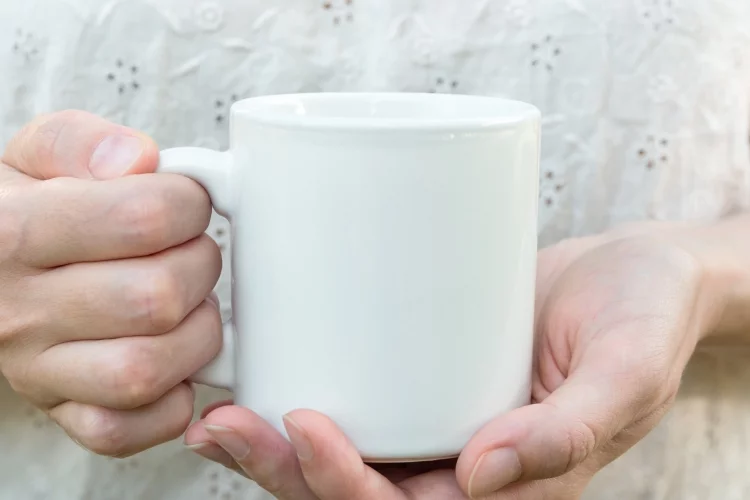
| Mug (11oz) | Polymer-coated ceramic | 375–400 | 180–240 | Medium | Gifts, branded drinkware |
| Tote Bag | Poly-canvas blend (65%+) | 385 | 50–60 | Medium | Promotional, retail |
| Photo Tile | Aluminum or coated MDF | 380–400 | 60–90 | Light | Wall décor, gifts |
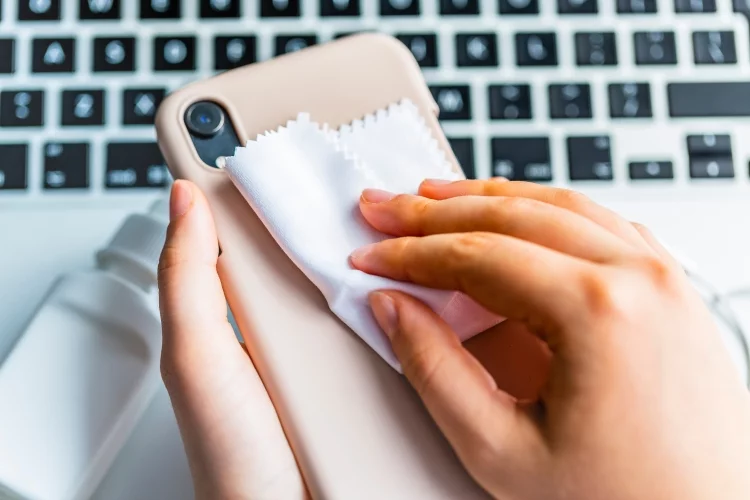
| Phone Case | Polymer-coated plastic | 360–375 | 60–90 | Light–Medium | Custom accessories |
| Tumbler | Stainless + poly coating | 380–400 | 60 | Light | Drinkware, gifts |
| Coaster | Neoprene or MDF | 385–400 | 30–60 | Medium | Home décor, gift sets |
| Mousepad | Polyester top surface | 385–400 | 50–60 | Medium | Office, gaming setups |
Apparel Blanks
Beyond t-shirts, apparel sublimation blanks include a wide range of wearable products:
- Facemasks — high-poly fabric, great for personalized or branded designs with fine detail
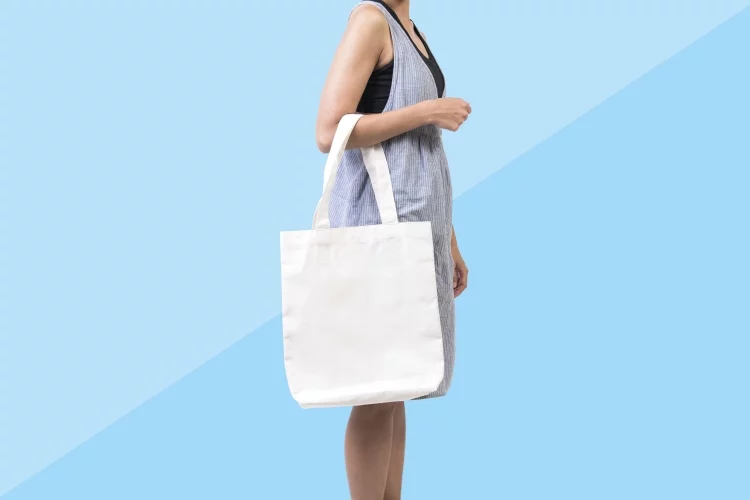
- Tote bags — look for poly-canvas blends rated at 65% polyester or higher for vivid color
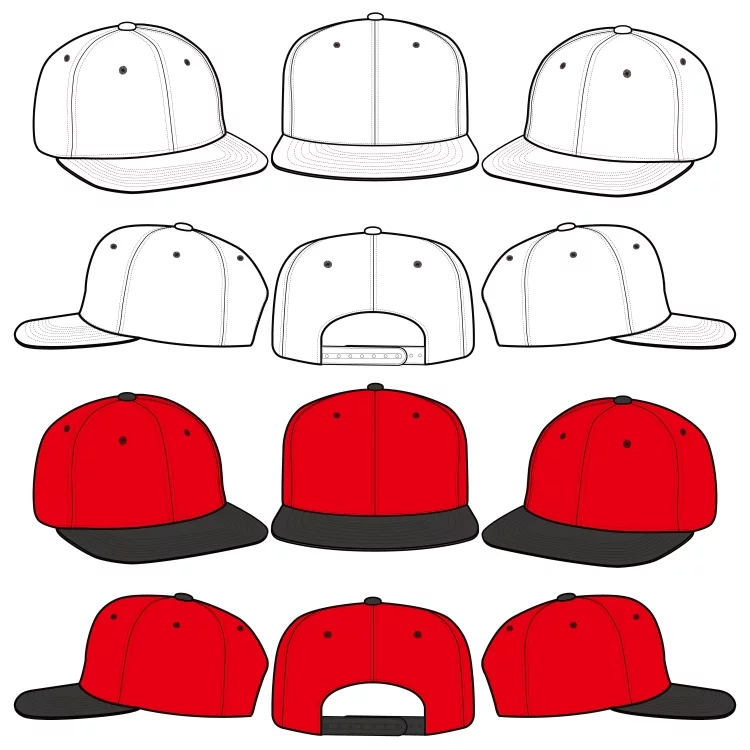
- Snapback hats — only the poly-front panels accept dye; wool or cotton sections will not
- Aprons — strong demand across restaurant staff, hobbyist markets, and promotional giveaways
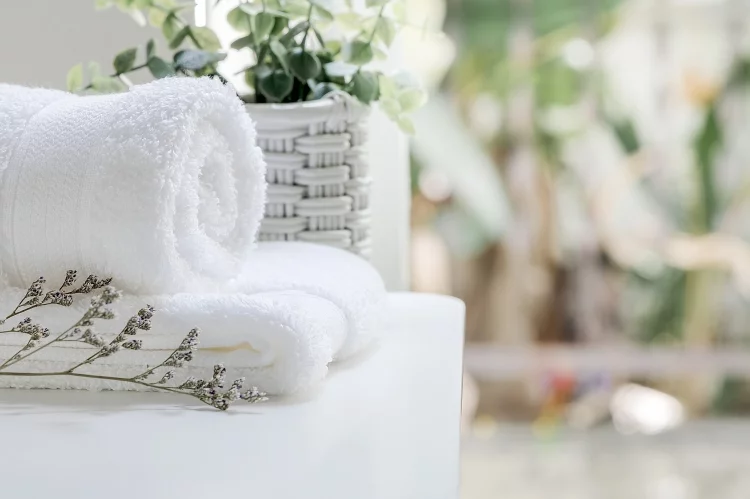
- Towels — chromojet-printed sublimation towels work best; standard terry cloth is mostly cotton

Drinkware and Kitchenware
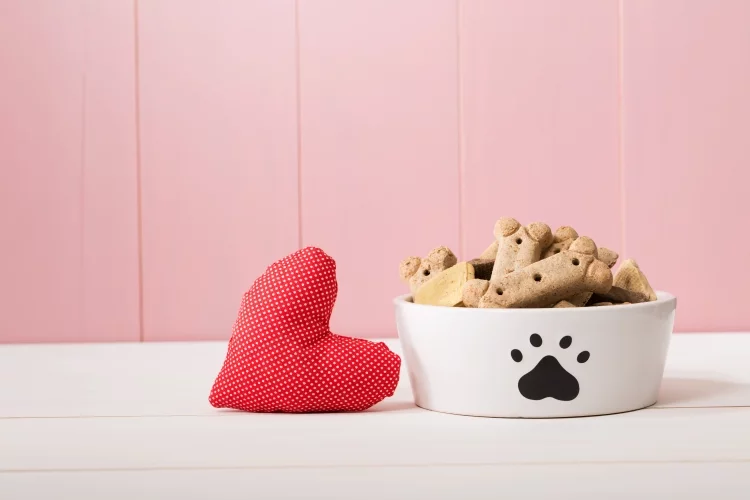
Mugs, tumblers, bottles, glass items, and pet bowls all fall into this category. Tumblers — especially straight-sided stainless steel — are among the fastest-growing segments in the custom gifts market. You'll need a tumbler attachment or rotary convection oven for even heat distribution. Flat-press mugs require a dedicated mug wrap attachment. Glass items need a specialized polymer coating applied beforehand, which adds a step most beginners skip. Pet bowls are a profitable niche with low competition and premium price points once you dial in the press settings.
Home Décor and Accessories
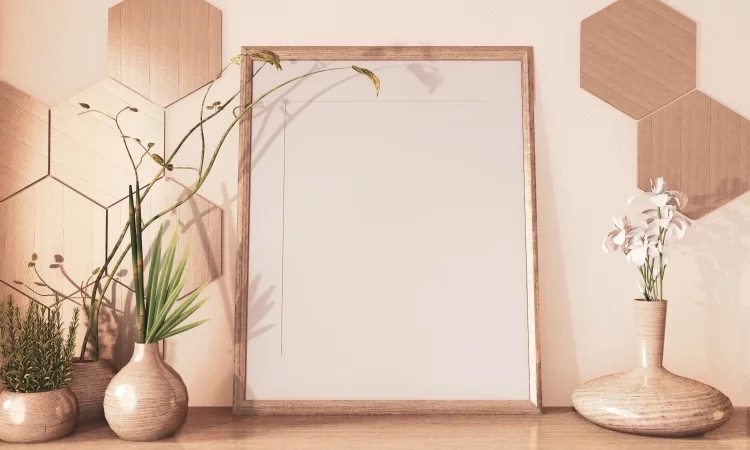
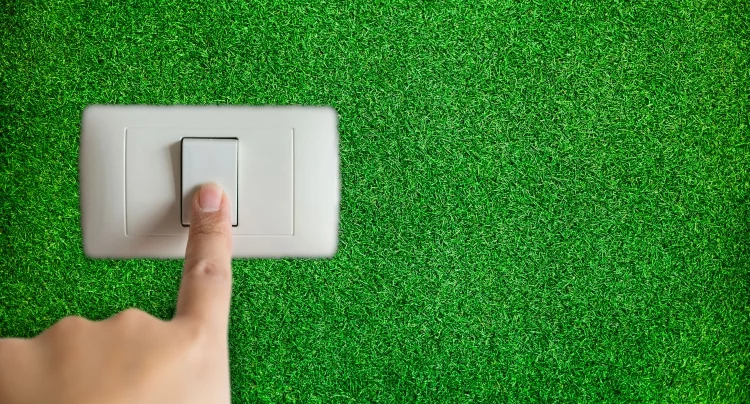
Photo tiles, wood photo panels, wood frames, ornaments, calendars, and light switch plates give you strong entry points into the home décor market. Photo tiles on aluminum are particularly forgiving — the coating is consistent across reputable brands, and press time is short. Ornaments spike in demand seasonally, so buy your blanks several months in advance to avoid supply shortages at peak times.
The Equipment Every Sublimation Printer Needs
Even the best sublimation blanks products produce poor results with underpowered or miscalibrated equipment. Before you invest in a large blank inventory, make sure your setup is solid enough to support consistent output.
Heat Press Essentials

A flat heat press handles most apparel and flat hard substrates. For mugs and tumblers, you need a mug press or a convection oven with a mug wrap. Here's what to prioritize when evaluating your heat press:
- Temperature accuracy within ±5°F across the entire platen surface
- Consistent, even pressure — a cold spot or pressure gap ruins transfers every time
- Digital time and temperature controls — analog gauges drift over time and can't be trusted
- Platen size of at least 15×15 inches for full-front t-shirt coverage
If you're not sure what else a heat press can do beyond sublimation, our article on what you can do with a heat press covers the full range — from HTV to rhinestone transfers to foil application.

Printer and Ink Setup
You need a printer loaded with genuine sublimation ink — not standard inkjet ink. Converted Epson EcoTank printers are the most popular entry-level option. Sawgrass printers use proprietary ink systems that produce more consistent color profiles out of the box. Either way, never use a sublimation printer for regular documents — contaminating the system with pigment cartridges will ruin your ink profile and your transfers.
Sublimation paper matters just as much as ink. Use paper designed specifically for sublimation — it releases ink more completely than standard photo paper, which reduces ghosting and improves color saturation on every blank you press.
Breaking Down the Cost of Sublimation Blanks

Blank cost varies widely by category, supplier, and order volume. Here's a realistic look at what you can expect to pay — and how to keep your margins healthy as you scale.
Entry-Level vs. Professional Grade
Entry-level blanks typically cost:
- T-shirts: $3–$6 each (100% polyester basics)
- 11oz mugs: $1.50–$3 each (polymer-coated ceramic)
- Phone cases: $2–$4 each
- Coasters (MDF): $0.80–$2 each
- Tumblers: $4–$10 depending on size and brand
Professional-grade blanks cost more but deliver tighter coating consistency, a wider color gamut, and fewer rejected units per batch. For a high-volume shop, the extra $0.50–$2 per unit pays for itself in reduced reprints alone. Coating consistency is the single biggest quality differentiator between cheap and professional blanks — and you can't see the difference until after you've already pressed them.

Where to Source Blanks Without Overpaying

Buy from established sublimation distributors rather than generic marketplace resellers. Reputable suppliers publish coating specs, provide batch consistency, and stand behind quality issues. When you order from unknown sources, you gamble on coating quality with every batch. Order sample packs before committing to large quantities — most reputable suppliers offer them at low cost. Buying in bulk (24+ units) typically unlocks tiered pricing that improves your margin significantly without requiring you to carry excessive inventory.
Pro Tips That Separate Good Prints from Great Ones
The difference between a mediocre sublimation print and a stunning one comes down to process discipline, not expensive equipment. These tips apply across all blank categories and skill levels.
Pre-Press Preparation
- Pre-press garments for 5–10 seconds to remove moisture and wrinkles — moisture is the enemy of sublimation adhesion
- Always use heat-resistant tape to secure the transfer; even slight movement during pressing causes ghosting
- Let hard substrates cool completely before handling — the dye continues migrating as the item cools down
- Print a test transfer on plain paper first to verify color accuracy before committing to an expensive blank
For apparel decisions, check out our breakdown of types of shirt printing — it puts sublimation in context alongside DTG, screen printing, and HTV so you can make the right process call for each customer order.

Heat and Pressure Settings
Pro tip: Calibrate your heat press with a non-contact thermometer before starting any new blank category — manufacturer temperature specs assume accurate press calibration, and most consumer presses run 10–20°F hot or cold straight out of the box.
Pressure is just as critical as temperature. Too light and the transfer won't bond fully. Too heavy on thin or coated items and you'll create a shiny surface imprint. Neoprene coasters and soft substrates need medium pressure. Thin phone cases and ornaments need light pressure. Start conservative, run a test press, and adjust from there before committing to a full batch.

Sublimation Blank Myths You Should Stop Believing
Misinformation about sublimation blanks is everywhere — especially in beginner communities. Here are the myths that cost people the most money.
Myth: Any White Fabric Will Work
This is the number-one beginner mistake. Sublimation dye bonds specifically to polyester molecules. A white 100% cotton shirt produces a faint, washed-out image that disappears after a few washes. Tri-blend fabrics with 50% cotton print noticeably duller than 100% poly. The rule is simple: the higher the polyester content, the more vivid and durable the print. There's no workaround here — it's chemistry, not technique, and you can't override it with better equipment or higher heat.
The same principle applies to hard substrates. A coaster without a polyester coating will not accept sublimation ink — the dye has nowhere to bond. Cheap MDF coasters from non-sublimation suppliers fail for exactly this reason, and no amount of heat or pressure will fix them.
Myth: Higher Temperature Always Means Better Transfer
Excessive heat scorches fabrics, melts plastic-coated blanks, and degrades the polymer coating on hard substrates permanently. Each blank type has an optimal temperature window — typically 375–400°F — and going above it doesn't help. Overheating creates a dull, yellowish cast on light substrates and can warp thin materials entirely. You're not screen printing — higher heat doesn't equal better adhesion in sublimation.
Caring for Your Sublimation Products After Printing
Sublimation prints are inherently durable, but improper care accelerates fading and surface damage. Passing these guidelines to your customers reduces refund requests and builds long-term trust in your product quality.
Washing and Handling Printed Apparel
- Wash sublimated garments inside-out in cold water to protect the print surface from abrasion
- Avoid bleach entirely — it breaks down polyester fibers and destroys the print from within
- Tumble dry on low or hang to dry; high heat in a dryer causes polymer degradation over repeated cycles
- Do not iron directly over a sublimated design — you can reactivate the dye and cause color shift or ghosting
For customers who want to experiment with decorated apparel at home, point them to our tutorial on printing t-shirts at home with an iron — it gives a realistic comparison of home methods versus professional sublimation results so they can set the right expectations.

Protecting Hard Substrate Items
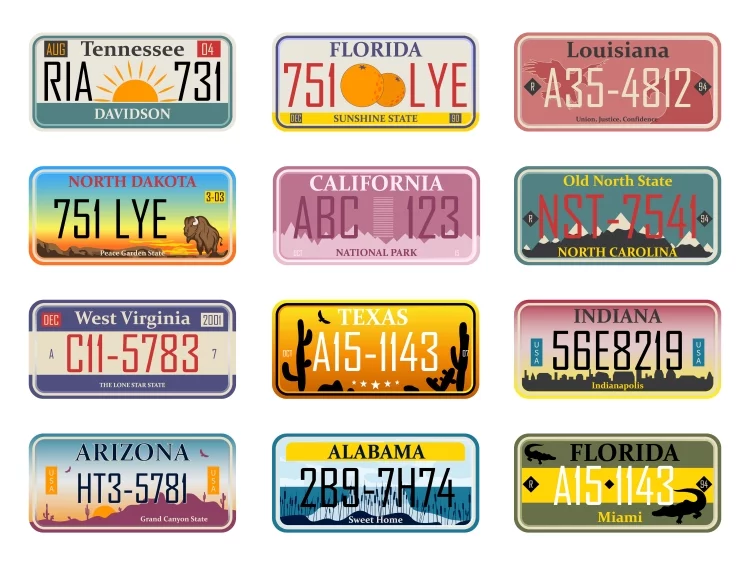
Hard substrate sublimation blanks — mugs, tiles, ornaments, license plates, and wood photo panels — are highly durable under normal conditions. Share these rules with your customers to protect the products long-term:
- Sublimated ceramic mugs are technically dishwasher-safe, but hand-washing extends print life significantly
- Aluminum photo tiles and license plates fade if stored in sustained direct sunlight
- Wood photo panels can warp when exposed to moisture — keep them away from humid rooms and bathrooms
- Phone cases should not be left in a hot car — the polymer coating can soften and distort the print under sustained high heat
Fixing the Most Common Sublimation Problems
Even experienced printers run into problems. The key is diagnosing them systematically rather than guessing and reprinting until you get lucky.
Ghosting and Blurry Transfers

Ghosting — a faint double image — happens when the transfer sheet moves during pressing or cooling. Here's how to eliminate it:
- Tape all four corners of the transfer to the blank before pressing — don't rely on a single strip
- Remove the transfer immediately after pressing, not while the item cools under pressure
- Use a silicone pad under textile blanks to prevent bunching and lateral shifting during press
- Check that your platen is level — an uneven surface causes one side to finish transferring before the other
Faded Colors and Washed-Out Prints
Faded prints almost always point to one of four problems. Run through this checklist before pressing another batch:
- Confirm the blank's polyester content — anything under 65% poly prints significantly duller than 100% poly
- Verify press temperature with a non-contact thermometer — the display readout alone is unreliable
- Check ink age — sublimation ink degrades before expiry if stored in heat or direct light, typically within 12–18 months
- Confirm you're using sublimation-specific paper — regular inkjet or photo paper releases far less ink to the substrate
Building a Sustainable Sublimation Product Line
Choosing the best sublimation blanks products isn't just about one-time purchases — it's about building a repeatable, profitable system. Whether you're running a side hustle or a full production shop, a smart inventory strategy separates sustainable businesses from expensive hobbies.
Diversifying Your Blank Inventory
Start with your highest-margin, fastest-moving items and expand deliberately. For most shops, that means:
- T-shirts and mugs as core products — high demand, easy to press, fast turnaround, proven market
- Tumblers as a premium upsell — higher price point, growing gift market, excellent repeat orders
- Ornaments and greeting cards as seasonal spikes — plan your inventory months ahead of peak season
- Specialty items like guitars, soft signage, and license plates as differentiation plays in niche markets
Novelty items — puzzles, keychains, bookmarks, notepads, and mousepads — are low-cost entry points for custom gift bundles. Badges, pet bowls, and light switch plates serve niche segments with less competition and better per-unit margins. As you expand, track your reject rate per blank category — it tells you exactly where to tighten your process or upgrade your supplier before the problem scales.

Scaling Without Sacrificing Quality
When you scale up, inconsistent blank quality becomes your biggest hidden cost. Here's how to protect your output quality as volume grows:
- Stick to two or three trusted suppliers per blank category — diversifying too widely creates quality variables you can't control
- Keep a press log: record temperature, time, pressure, and result for every new blank batch you receive
- Build a defect budget into your pricing — 2–5% rejects are normal in sublimation; price blanks accordingly
- Invest in a second heat press before expanding your blank catalog — throughput bottlenecks kill growth faster than a limited product range
If you're running a small business operation and need reliable print hardware to support your setup, our roundup of best printers for small businesses covers options that pair well with sublimation ink systems when you're ready to upgrade.

Frequently Asked Questions
What makes a blank "sublimation-ready"?
A sublimation-ready blank contains either a polyester coating or sufficient polyester fiber content to allow dye-sublimation ink to bond permanently under heat and pressure. For textiles, this means at least 65% polyester — ideally 100%. For hard substrates like mugs, tiles, and tumblers, it means a factory-applied polymer coating. Without this coating or polyester content, the ink has nothing to bond to and will fade quickly or wash out entirely after the first few uses.
Can I sublimate on dark-colored blanks?
No — sublimation inks are transparent, not opaque. They work by tinting the substrate's white or light polymer surface. On dark blanks, the ink becomes invisible against the background color, and your design simply won't show up. If you need to print on dark substrates, use heat transfer vinyl, DTG printing, or screen printing instead. Sublimation is strictly a light-substrate process with no practical workaround for dark backgrounds.
How many washes can a sublimated garment survive?
A properly sublimated 100% polyester garment maintains vivid color for 50 or more wash cycles when cared for correctly — cold water, inside-out, no bleach. Because the dye bonds chemically to the polymer fibers rather than sitting on top as a physical layer, it doesn't peel, crack, or flake. The main causes of premature fading are high cotton content in the fabric, incorrect pressing temperature, or washing in hot water with harsh detergents.
The right blank isn't an afterthought — it's the entire foundation; buy cheap polymer coating and no amount of skill, equipment, or technique will save your print.
 |  |  |  |

About Anthony Clark
Anthony Clark spent nine years running a custom printing studio in Phoenix, Arizona, producing sublimation-printed drinkware, heat-pressed apparel, and branded merchandise for sports leagues, small businesses, and online retailers. That hands-on production background means he has calibrated hundreds of heat press cycles, sourced sublimation blanks from over a dozen suppliers, and troubleshot every coating and color-shift problem that shows up when dye meets polyester. He left the shop floor in 2019 to write full-time about the techniques and equipment he used daily. At PrintablePress, he covers sublimation printing and heat press methods.


Get some FREE Gifts. Or latest free printing books here.
Disable Ad block to reveal all the secret. Once done, hit a button below
| | | |