Marketing Strategies to Boost Your T-Shirt Business
by Marcus Bell · April 03, 2022
What separates a t-shirt business that consistently sells out from one that can't move inventory? It's rarely the print quality — it's almost always the marketing behind it. Applying the right marketing strategies for t-shirt business growth is what takes you from frustrated seller to profitable brand. If you're still dialing in your production process, explore our t-shirt printing guides first — but if your press is ready to run, this guide is your roadmap.
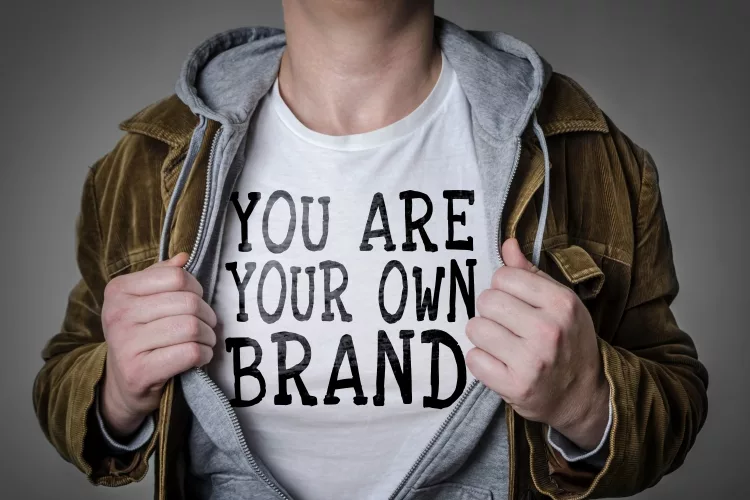
The custom t-shirt market is competitive. You're not just competing with the shop down the street — you're up against thousands of sellers on Etsy, Redbubble, Shopify, and every corner of social media. Standing out takes more than a clever design. It takes a system: a way to reach your target buyers, convince them your shirts are worth owning, and bring them back for every new drop.
This guide covers five focused areas — comparing your marketing channels, knowing when to scale, choosing the tools that actually matter, building a brand that earns loyalty, and a step-by-step launch plan you can execute right now. Every section gives you something actionable.
Contents
- Top Marketing Strategies for Your T-Shirt Business: Channel by Channel
- When to Invest More in Marketing (and When to Pull Back)
- The Tools That Power Your T-Shirt Marketing Engine
- Building a Brand Customers Keep Coming Back To
- How to Launch Your First T-Shirt Marketing Campaign
- Frequently Asked Questions
- Key Takeaways
Top Marketing Strategies for Your T-Shirt Business: Channel by Channel
Not every marketing channel delivers equal results for a t-shirt business. Some build long-term brand equity. Others drive sales this week. The smart move is understanding what each channel actually does — then choosing the mix that fits your current budget and timeline instead of trying to be everywhere at once.
Social Media, Email, and Paid Ads Compared
Social media is the natural home for visual products like custom t-shirts. Instagram and TikTok reward consistent posting: behind-the-scenes production clips, finished product reveals, and customer wear photos all perform well. You don't need a massive following to generate sales — you need a reliable posting rhythm and genuine engagement with your audience.
Email marketing is the highest-ROI channel most small t-shirt businesses ignore completely. Email converts at two to five times the rate of social media because you're reaching people who already opted into your brand. Start collecting emails from day one, even when your list is twenty people. A weekly email with new designs, limited drops, or printing tips builds loyalty that no algorithm change can take away.
Paid ads — Google Shopping, Meta Ads, TikTok Ads — deliver immediate traffic, but they reward sellers who already know their numbers. If you don't know your conversion rate or cost per acquisition yet, spend that money on organic content first. Paid ads amplify what's already converting. They don't fix a broken offer.
| Channel | Typical Cost | Time to Results | Best For |
|---|---|---|---|
| Instagram / TikTok | Low–Medium | 2–6 months | Visual brand building, organic reach |
| Email Marketing | Low | 1–3 months | Repeat buyers, product launches |
| Google Shopping Ads | Medium–High | Immediate | High-intent, ready-to-buy traffic |
| SEO / Blog Content | Low | 6–12 months | Long-term organic growth |
| Influencer Marketing | Medium | 1–4 weeks | New audience discovery |
| Marketplace SEO (Etsy) | Low | 2–4 months | Ready-to-buy shoppers on platform |
SEO and Content Marketing
Search engine optimization is a slow burn, but it's one of the most durable long-term plays for any t-shirt seller. Writing content that answers real buyer questions — printing technique comparisons, blank shirt guides, care instructions — pulls in organic traffic that doesn't vanish when you stop paying for ads.
Start at the product level. Your listing titles, descriptions, tags, and image alt text are your first SEO assets. Write them the way a buyer searches Google, not like a product catalog entry. Then build topical content around your niche. A hunting-themed t-shirt brand that creates helpful content about hunting seasons and gear attracts its exact audience without spending a dollar on ads — and that traffic compounds every month.
Pro tip: Your product description is your first SEO asset — write it the way a buyer types a search query, not the way a catalog entry reads.
When to Invest More in Marketing (and When to Pull Back)
One of the most expensive mistakes new t-shirt sellers make is throwing money at marketing before their business is ready. Knowing when to accelerate — and when to pause — saves you thousands in wasted ad spend and prevents you from scaling the wrong thing.
Signs You're Ready to Scale
You're ready to increase your marketing investment when these conditions are true:
- Your product is already converting — at least 2–5% of visitors make a purchase
- You know your average order value and can calculate whether ad spend is profitable
- Your production capacity can handle a surge in orders without quality suffering
- You have at least one email opt-in offer and a follow-up sequence in place
- Your brand visuals — logo, colors, tone — are consistent across every platform
If you've already built a solid foundation — you've launched your t-shirt printing business and worked through the production side — scaling your marketing is the logical next step. At that point, doubling your ad budget or partnering with a micro-influencer in your niche is a calculated bet, not a shot in the dark.
Think of it this way: your marketing funnel is a pipe. If there's a leak at the product or checkout level, more traffic just means more water hitting the floor. Seal the leaks first. Then open the tap.
When to Pause and Reassess
Pull back on marketing investment when any of these are true:
- Your conversion rate drops below 1% and you haven't diagnosed why
- You're getting traffic but no sales — that's a product or pricing problem, not a traffic problem
- Your fulfillment process is breaking down under current volume
- You haven't tested your offer organically before paying to amplify it
- You're running two businesses at once without either one running smoothly
Marketing amplifies what's already working. If something is broken at the product, pricing, or checkout level, more traffic only makes the problem more expensive. This applies whether you're running a pure t-shirt line or branching out — if you're also building a heat transfer business on the side, resist the urge to market both simultaneously until one is stable. Split focus stalls growth in both directions.
The Tools That Power Your T-Shirt Marketing Engine
You don't need an enterprise software stack to market a t-shirt business effectively. A small set of the right tools, used consistently, outperforms a bloated tech setup that collects dust. Here's what actually matters.
Design and Production Tools
Your marketing visuals are only as strong as the product behind them. High-quality mockups and product photos are non-negotiable — blurry images of low-res designs kill conversions before a single buyer reads your description. Prioritize this above everything else in your early marketing setup.
- Canva or Adobe Express — social graphics, promotional banners, email headers, and announcements
- Printful Mockup Generator or Placeit — lifestyle mockups without needing a professional photoshoot
- Cricut Design Space — design and cut integration if you're using vinyl or HTV in your production
- Your actual print hardware — whether that's a heat press, DTG printer, or sublimation system
The quality of your output affects how your products look in photos, which directly determines how they perform in marketing. If you're still evaluating your setup, our guide on whether a t-shirt printer is worth the investment compares the real economics of in-house printing versus outsourcing. And if vinyl is part of your process, our review of the best printable vinyl for shirts helps you choose materials that photograph well and hold up through washing — both matter for product photos and customer satisfaction.
For HTV and vinyl cutting work, the right machine opens up a wide range of custom design options. Our breakdown of the best Cricut vinyl cutting machines for t-shirts covers which models suit different production volumes and business sizes, so you can match your equipment to your actual output needs.
Analytics and Scheduling Tools
Marketing without data is guessing. These tools tell you what's actually working so you stop wasting time and money on channels that aren't delivering:
- Google Analytics 4 — free, tracks traffic sources, conversion paths, and audience behavior on your own site
- Meta Business Suite — native analytics for Facebook and Instagram, including reach, click-through, and purchase data
- Klaviyo or Mailchimp — email platforms with open rate, click rate, and revenue-per-email reporting
- Later or Buffer — schedule posts in advance and review engagement trends across platforms
Warning: Follower count and likes don't pay bills — measure click-through rates, conversion rates, and revenue per email send instead.

Building a Brand Customers Keep Coming Back To
One-time buyers are fine. Repeat customers are the engine of a sustainable t-shirt business. The difference between a brand that earns repeat purchases and one that doesn't almost always comes down to niche clarity and visual consistency — two things that cost nothing but attention.
Defining Your Niche
The t-shirt market is too saturated to win as a generalist. Pick a niche narrow enough that your ideal customer feels like you built your brand specifically for them. Funny nursing humor. Retro video game art. Outdoor dad culture. Minimalist mental health messaging. The tighter your niche, the easier every marketing decision becomes — because you always know exactly who you're talking to and what they care about.
Your niche also shapes your entire content strategy. A brand for dog moms doesn't just sell tees — it posts relatable dog content, shares training tips, reposts customer wear photos, and builds a community around a shared identity. That community is worth more than any individual ad campaign, because it generates user content, word-of-mouth referrals, and repeat buyers without ongoing ad spend.
Your production method is also part of your brand story. If you use heat transfers, our overview of t-shirt heat printing basics can help you explain your process to customers in a way that builds credibility. Buyers who understand how their shirt was made feel a stronger connection to the product and are more likely to share it.
Consistent Visual Identity
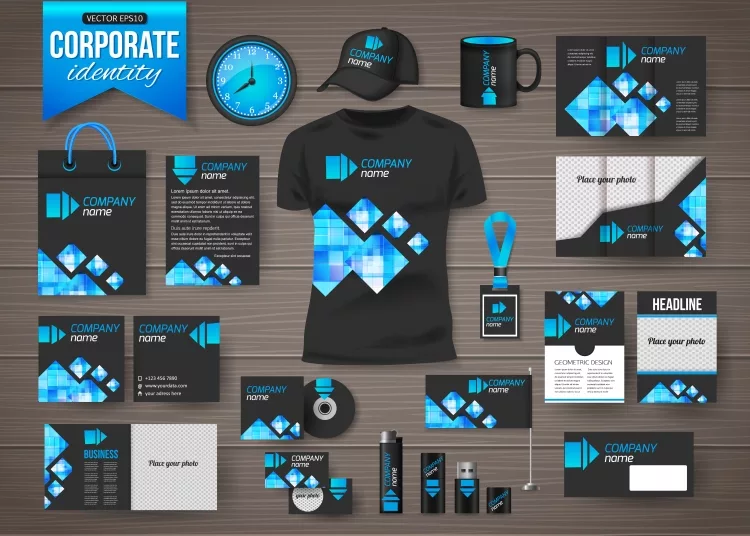
Visual consistency builds brand recognition faster than any other element. Choose two to four brand colors and use them everywhere — your logo, packaging, social feed, email templates, and website. Pick two fonts and stick with them. Use the same tone of voice in every caption, product description, and customer email. This repetition makes your brand feel professional and trustworthy even when you're a one-person operation working out of a spare room.
People buy from brands they recognize. Consistency is how you build that recognition without a massive advertising budget — it's free, it's durable, and most competitors skip it entirely.
Your packaging is a marketing touchpoint that most sellers underuse. A branded sticker, a handwritten thank-you card, or a care instruction card with your website URL extends the brand experience past checkout. These small details generate reviews, social shares, and repeat orders at zero acquisition cost.
How to Launch Your First T-Shirt Marketing Campaign
Theory is useful. A step-by-step plan you can execute right now is better. Here's how to put these marketing strategies for t-shirt business growth into action, starting from scratch, without a large budget or existing audience.
Step 1: Define Your Audience
Before you write a single post or send a single email, get specific about who you're selling to. Answer these questions in writing — not in your head, on paper or a document:
- Who is your ideal customer? Define their age, interests, lifestyle, and values
- Where do they spend time online? Instagram, TikTok, Facebook groups, Reddit, Pinterest?
- What feeling does your shirt create or what identity does it reinforce?
- What other brands or creators does your buyer already follow?
This isn't optional busywork. Every marketing decision you make from this point flows from your audience definition. Skip it and your messaging becomes generic. Generic messaging gets ignored.
Step 2: Choose Your Channels and Commit
Don't try to be on every platform at once. Pick one primary channel and one secondary channel, then master both before expanding anywhere else.
If your audience is visual and skews younger, start with TikTok and Instagram. Show your printing process — heat press work in action, vinyl weeding, the reveal of a finished shirt straight off the press. Behind-the-scenes content consistently outperforms product-only shots on both platforms because it shows the craft and the person behind the brand.
Set a posting schedule you can actually sustain. Two solid posts per week for six months outperforms a burst of daily posts that burns you out in three weeks. Consistency wins in the algorithm and in your audience's memory.
If you use transfer paper in your process, our tutorial on how to use t-shirt transfer paper is the kind of educational content you can repurpose across platforms — the same knowledge that makes you a better printer also makes you a more credible, trustworthy brand when you share it publicly.
Step 3: Create Content and Go Live
Your first campaign doesn't need to be polished. It needs to exist. Here's a simple four-week launch framework:
- Week 1: Post three pieces of organic content — one product reveal, one behind-the-scenes print process clip, and one customer-focused post (testimonial, wear photo, or relatable niche content)
- Week 2: Set up an email capture offer — 10% off, a free design file, or early access to new drops — and promote it in your bio and posts across every channel
- Week 3: Send your first email to your list, even if it's fifteen people. Introduce yourself, share your story briefly, and link to your best product
- Week 4: Review your metrics. Identify which content format drove the most engagement or clicks, and double down on that format for the following month
Create, publish, measure, adjust. That's the core loop of sustainable marketing for a t-shirt business. You don't need an agency or a large budget to run it. You need discipline, a repeatable process, and the patience to let it compound over time.
Frequently Asked Questions
What are the most cost-effective marketing strategies for a t-shirt business?
Organic social media and email marketing deliver the highest return for the lowest cost. Posting consistently on Instagram or TikTok and building an email list from day one lets you reach buyers without ad spend. SEO-driven content takes longer to pay off but compounds over time at zero ongoing cost — making it the best long-term investment for sellers with limited budgets.
How do I get my first customers for a t-shirt business?
Start with your existing network. Post on your personal social media accounts, offer a launch discount to friends and family, and ask for honest reviews in exchange. Join online communities — Facebook groups, Reddit forums, Discord servers — that align with your niche and engage genuinely before promoting anything. Your first ten customers almost always come from places you're already spending time online.
Is social media or email better for selling t-shirts?
Both serve distinct roles, and the combination outperforms either channel used alone. Social media builds brand awareness and attracts new buyers who haven't heard of you yet. Email converts warm leads into paying customers and drives repeat orders. Use social to grow your audience and email to monetize it — that's the most effective two-channel setup for most t-shirt businesses.
How do I stand out in a crowded t-shirt market?
Niche down aggressively. A brand built for a specific audience — nurses, mountain bikers, homeschool families — speaks far more directly to buyers than a brand that tries to appeal to everyone. Pair a tight niche with consistent visual identity and genuine community engagement, and you'll stand out without needing to outspend larger, more generic competitors.
Should I sell on Etsy, my own website, or both?
Start on Etsy to validate your designs and access built-in organic traffic without first building an audience. Once you identify which designs sell consistently, add your best products to your own Shopify or WooCommerce store so you own the customer relationship and email list. Running both simultaneously is a strong long-term model — Etsy for discovery, your own store for retention and higher margins.
How important are product photos and mockups for t-shirt marketing?
They're critical. T-shirt buyers make purchase decisions almost entirely based on how the shirt looks in photos. Use high-quality lifestyle mockups that show the shirt worn in a real context, not just flat lays on a white background. Real customer wear photos shared on social media perform even better than professional shots because they carry authentic social proof that polished studio images don't.
Key Takeaways
- The most effective marketing strategies for t-shirt business growth combine organic social media, email marketing, and SEO — each playing a different role in your funnel.
- Scale your marketing only after your product converts and your operations can handle more volume — amplifying a broken offer burns your budget without improving results.
- A tight niche, consistent brand visuals, and a sustainable posting schedule consistently outperform sporadic, high-effort marketing bursts.
- Execute the four-week launch framework, measure what resonates with your audience, and refine — that repeatable loop is how a t-shirt side hustle becomes a real business.
 |  |  |  |
About Marcus Bell
Marcus Bell spent six years as a production manager at a small-batch screen printing shop in Austin, Texas, overseeing everything from film output and emulsion coating to press registration, squeegee selection, and garment finishing. He expanded into vinyl cutting and Cricut projects when the shop added a custom apparel decoration line, giving him direct experience with heat transfer vinyl application, weeding techniques, and the real-world differences between Cricut, Silhouette, and Brother cutting machines. At PrintablePress, he covers screen printing, vinyl cutting and Cricut projects, and T-shirt printing and decoration techniques.


Get some FREE Gifts. Or latest free printing books here.
Disable Ad block to reveal all the secret. Once done, hit a button below
| | | |