How Much Does a Heat Press Machine Cost?
by Anthony Clark · March 29, 2022
Heat press machine cost ranges from about $50 to over $5,000, depending on machine type, platen size, and production capacity. If you're deciding what to buy — or whether to buy at all — understanding the full price landscape will save you from an expensive mistake. This guide breaks down every tier, what you actually get at each price point, and how to build a complete budget before you spend a dollar.
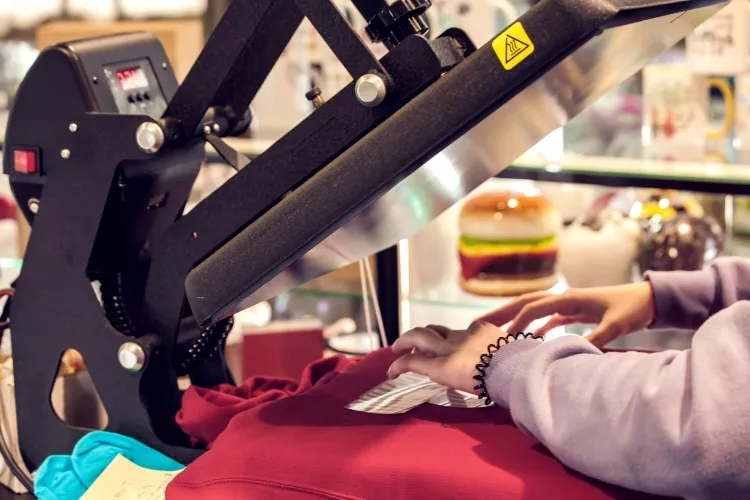
A heat press machine applies precise heat and pressure to bond transfer materials onto fabric, ceramics, and other substrates. Whether you're producing custom t-shirts, sublimation products, or vinyl graphics, the machine you choose directly affects your output quality and your profitability. Knowing what drives the price separates buyers who get it right the first time from those who end up upgrading within a year.
The heat press category covers everything from compact clamshell units to industrial dual-station pneumatic presses. Each type serves a different use case at a very different price. Here's what you need to know before committing to any purchase.
Contents
- Heat Press Machine Cost Breakdown by Type and Tier
- What You Actually Get for the Price
- Advantages and Drawbacks at Each Price Tier
- When a Heat Press Pays Off (and When It Doesn't)
- Best Practices for Choosing the Right Machine
- Smart Buying Tips You Need to Know
- Essential Supplies and Equipment to Budget For
- Frequently Asked Questions
- Key Takeaways
Heat Press Machine Cost Breakdown by Type and Tier
The single biggest driver of price is machine type. Clamshell presses dominate the entry level. Swing-away and draw-style models occupy the mid-to-upper range. Pneumatic and multi-station commercial presses sit at the top. Here's a clear overview of every tier.
| Price Range | Machine Type | Platen Size | Best For |
|---|---|---|---|
| $50–$150 | Basic clamshell | 9×12 in | Home hobbyists, occasional use |
| $150–$300 | Upgraded clamshell / swing-away | 12×15 in | Side hustles, small batch orders |
| $300–$600 | Swing-away / draw-style | 15×15 in or 16×20 in | Growing businesses, medium volume |
| $600–$1,500 | Commercial swing-away | 15×15 in to 16×24 in | Full-time production, high durability |
| $1,500–$5,000+ | Pneumatic / dual-station | 16×20 in to 20×24 in | High-volume commercial shops |
Entry-Level Machines ($50–$200)
At this price point, you're working with basic clamshell units. They're compact, easy to store, and adequate for occasional personal projects. Most run on standard 110V household current and feature basic digital or analog temperature controls. Don't expect even heat distribution across the full platen — hot spots are common on machines under $150.
- 9×12 inch platens are the norm
- Analog pressure adjustment — no gauge, no repeatable pound-force setting
- Limited warranty coverage, often just 90 days
- Suitable for HTV vinyl and simple sublimation transfers
- Duty cycles are short — back-to-back pressing causes overheating
Mid-Range Machines ($200–$600)
This is where value starts to show up. Brands like Cricut EasyPress 2, Vevor, PowerPress, and HIX occupy this range. You get digital timers, more precise temperature control, better platen heat uniformity, and access to swing-away designs — which are safer and better for thick substrates.
- 12×15 to 15×15 inch platen options
- Digital timer and temperature display
- Swing-away and draw-style configurations available
- Improved heat consistency across the platen surface
- Metal frame construction — noticeably more durable than budget units
Pro Tip: If you're launching a small t-shirt or sublimation business, a 15×15 swing-away in the $300–$500 range hits the sweet spot between cost and daily production capability.
Professional Machines ($600–$5,000+)
Professional machines are built for daily production. Brands like Stahls', Geo Knight, and HIX Pro dominate this segment. You're paying for heavy-gauge steel construction, industrial heating elements, pneumatic pressure systems, and long-term reliability. These machines routinely last 10–15 years with proper maintenance.
- Heavy-duty welded steel frames — no flex, no wobble
- Pneumatic or hydraulic pressure control: precise, repeatable, operator-friendly
- 16×20 to 20×24 inch platens available
- 220V options for faster heat recovery between jobs
- Full manufacturer warranties, typically 1–5 years
- Interchangeable platen systems for caps, mugs, sleeves, and full garments
What You Actually Get for the Price
The price difference isn't just about size. It's about precision, repeatability, and how long the machine holds up under real production conditions. Here's what separates hobby-grade from commercial-grade in practical terms.
Hobby-Grade Realities
Entry-level machines are functional but limited. Push them hard and you'll run into these issues quickly:
- Uneven heat distribution: corners often run 10–20°F cooler than the platen center
- Pressure guesswork: no gauge means inconsistent results between jobs and operators
- Slow heat recovery: quality drops noticeably on consecutive presses
- Thinner platens: prone to warping over time, especially with frequent temperature cycling
For HTV projects and occasional sublimation these limitations are manageable. For real production, they become deal-breakers fast. Before you invest in materials, study our guide to heat press temperature and time settings — dialing in the right settings matters even more when your machine provides less margin for error.
Commercial-Grade Advantages
Step up to the $600+ range and the difference is immediate and measurable:
- Teflon-coated platens: non-stick surface protects transfers and simplifies cleanup
- PID controllers: maintain temperature within ±2°F for consistent, repeatable output
- Pneumatic foot pedal operation: press and release hands-free, protecting wrists during long runs
- Interchangeable platen systems: one frame supports full-size, cap, mug, and sleeve platens
- Faster heat recovery: no waiting between shirts on busy production days
Warning: Never use a standard flat platen press to press structured caps or mugs — you need the correct curved platen geometry for each substrate or you'll get incomplete transfers and risk damaging both the product and the machine.
Advantages and Drawbacks at Each Price Tier
Every price range has a legitimate use case. The mistake most buyers make is buying for the wrong use case — either overspending on features they'll never use, or underspending and hitting a wall the moment orders pick up.
Entry-Level: The Full Picture
Advantages:
- Low upfront investment — easy to justify for testing a new idea
- Compact footprint — fits on a kitchen counter or small craft desk
- No special wiring required — standard 110V outlets work fine
- Good enough for HTV vinyl, basic sublimation, and iron-on transfers
Drawbacks:
- Heat inconsistency causes visible quality problems on larger or full-chest designs
- Not engineered for daily use — short duty cycles lead to performance degradation
- Limited platen size restricts design placement options on adult garments
- Poor resale value if you upgrade within a year
Professional: The Full Picture
Advantages:
- Designed for thousands of production cycles without performance degradation
- Precise, repeatable pressure gives consistent output regardless of operator
- Faster heat recovery between jobs keeps production moving on busy days
- Interchangeable platens multiply what a single machine can produce
Drawbacks:
- High upfront cost — difficult to justify for occasional or hobby use
- Heavier and larger — requires a dedicated, permanent workspace
- Some models need 220V wiring, adding electrical installation costs
- Significant overkill if you're only pressing 5–10 garments per week
If you're weighing heat press against other decorating methods, this comparison of heat press vs. screen printing lays out the production economics and volume thresholds side by side — useful context before you commit to either equipment investment.
When a Heat Press Pays Off (and When It Doesn't)
Timing your purchase correctly can mean the difference between a tool that earns its keep and one that collects dust. Be honest about where your operation stands right now.
Good Reasons to Invest Now
- You're fulfilling 10 or more custom orders per week and consistency is critical
- You're producing sublimation products where temperature precision directly affects color accuracy
- You've outgrown a household iron or Cricut EasyPress and the quality ceiling is limiting sales
- You're adding heat press to an existing screen printing or vinyl cutting workflow
- Your product line requires specialty substrates — caps, mugs, sleeves — that need dedicated platens
When to Hold Off
- You're still testing whether the business concept will generate real demand
- You only press a few garments per month for personal or gift use
- Your design workflow and transfer materials aren't established yet
- You don't have a dedicated workspace set up for safe, consistent operation
- You're planning to use print-on-demand fulfillment services and handle only design work yourself
Tip: Run 20–30 jobs with a household iron or EasyPress before spending $500+. If real demand is there and quality limitations hurt sales, the upgrade will pay for itself in under 60 days.
Best Practices for Choosing the Right Machine
The right machine is the one that matches your actual workflow — not the most impressive spec sheet. Follow these guidelines to avoid the most common buying mistakes.
Choosing the Right Platen Size
Platen size determines what you can press and where you can place designs. Here's a clear reference by use case:
- 9×12 inches: pocket logos, small decals, children's garments
- 12×15 inches: most adult chest prints, hoodies with careful positioning
- 15×15 inches: standard adult full-front t-shirt — the most versatile and widely used size
- 16×20 inches and larger: oversized designs, sublimation panels, large-format print applications
The 15×15 format is the industry standard for a reason. Unless you have a specific need to go larger or work only on small items, start here. You'll be able to handle almost every standard garment job without a second machine.
Selecting the Right Press Style
Three main press styles exist, and each has a specific strength:
- Clamshell: opens like a book — the top platen swings up at an angle. Compact and affordable. Best for flat items where quick loading works fine.
- Swing-away: top platen pivots completely to the side, giving you full access to the lower platen. Safer for thick garments, better for accurate transfer placement.
- Draw-style (slide-out): the lower platen slides out toward the operator. Excellent for high-volume production since you never reach under a hot upper platen to position garments.
For most small and growing operations, a swing-away is the safest and most practical choice. It gives you full platen visibility for placement accuracy without the footprint of a draw-style machine.
Smart Buying Tips You Need to Know
Shopping for a heat press is straightforward if you know what to look for — and what to walk away from.
Where to Buy
- Stahls' / Transfer Express: the industry standard for commercial machines and supplies. Excellent technical support and parts availability.
- Geo Knight & Co.: premium commercial presses manufactured in the USA. Proven multi-decade track record in production environments.
- Amazon (Vevor, PowerPress, HIX): reliable mid-range options with strong return policies. Read recent reviews specifically for heat consistency and timer accuracy reports.
- Cricut: EasyPress 2 and EasyPress 3 are the best entry-level options for HTV and light sublimation. Backed by strong customer support and a well-documented knowledge base.
- Used / refurbished (eBay, Facebook Marketplace): professional machines hold up well used and offer excellent value. Avoid used entry-level presses — they rarely have useful life remaining.
Red Flags to Avoid
- No recognizable brand name or manufacturer contact information listed
- Price under $80 for a 15×15 machine — the heating element quality will be inadequate
- Reviews mentioning uneven heat, temperature drift, or broken timers within the first month of use
- No return policy or warranty shorter than 90 days
- Platens described as "aluminum" without specifying thickness — thin platens warp under regular production heat cycling
Your transfer material choice also affects your equipment requirements. The comparison of heat transfer paper vs. vinyl is a useful read here — the method you settle on determines the temperature range, pressure, and platen coatings you'll need, which should factor directly into your machine selection.
Essential Supplies and Equipment to Factor Into Your Budget
The machine is just the starting point. Your true heat press machine cost includes everything you need to produce finished products at a sellable quality. Build a complete budget from the start.
Consumables
These are ongoing costs you'll pay on every production run:
- Heat transfer vinyl (HTV): $0.50–$2.00 per foot depending on type — standard, glitter, foil, or stretch. Roll format delivers the lowest cost per unit.
- Sublimation paper: $15–$40 per 100 sheets. Coating quality directly affects color saturation and edge sharpness.
- Sublimation ink: $20–$60 per cartridge. Third-party inks can work but verify compatibility with your printer's warranty terms.
- Teflon sheets: $8–$15 for a pack of 5. Replace when they discolor or develop stick spots.
- Heat-resistant tape: $5–$10 per roll. Essential for holding sublimation paper in precise position during pressing.
- Blank garments and substrates: highly variable. Budget $3–$8 per blank t-shirt for quality printable blanks with tight weave tolerances.
Add-On Equipment
Depending on your product line, additional equipment adds to your total startup investment:
- Mug press attachment or standalone mug press: $60–$250. Cylindrical platen geometry is required for sublimation mugs — you cannot substitute a flat press.
- Cap press: $150–$400. The curved platen is specifically designed for structured hats. Critical if you're doing headwear.
- Pillow press: $200–$500. Oversized flat platens for sublimation pillowcases and panel products.
- Infrared thermometer: $15–$30. Budget models often read 5–15°F lower than actual platen temperature. Verify before your first production run.
- Heat press pillow or foam pad: $10–$30. Improves pressure distribution on thick seam areas, zippers, and buttons.
- Lint roller: $5–$10. Removing debris before pressing prevents transfer artifacts and wasted blanks.
A realistic entry-level startup budget runs $300–$600 for the press, plus $150–$250 for initial consumables and accessories. A professional setup typically lands between $900 and $2,200 all-in before blank inventory. Plan for both — the machine price alone understates what you'll actually spend in your first 30 days.
Frequently Asked Questions
What is the average heat press machine cost for a beginner?
Most beginners spend between $150 and $400 on their first machine. A 12×15 or 15×15 clamshell or swing-away press in this range gives you reliable digital controls and enough platen size for standard garment printing without overcommitting your startup budget.
Is a cheap heat press worth buying?
A sub-$100 press can handle occasional personal projects, but it won't deliver consistent commercial results. If you're selling finished products, budget at least $200–$300 to avoid heat distribution problems that lead to wasted materials and unhappy customers.
How long does a heat press machine last?
A budget heat press typically lasts 1–3 years with regular use. Mid-range machines hold up for 3–7 years. Commercial-grade presses from brands like Stahls', Geo Knight, or HIX routinely last 10–15 years with proper maintenance and periodic replacement of heating elements.
Do I need a separate mug press and cap press?
Yes. A standard flat platen press cannot apply consistent pressure to curved substrates like mugs or structured caps. You need a dedicated cylindrical mug press for drinkware and a curved cap press for hats. Budget $60–$400 for each depending on brand and build quality.
What is the total startup cost for a small heat press business?
Expect to spend $500–$1,500 to set up properly. This includes a quality press ($200–$800), startup consumables ($100–$300), blank inventory ($100–$200), and accessories like Teflon sheets, heat tape, and an infrared thermometer ($50–$100). Add a vinyl cutter if your workflow includes HTV design work.
Key Takeaways
- Heat press machine cost starts at $50 for basic hobby models and climbs past $5,000 for commercial pneumatic units — the right tier is determined entirely by your production volume and quality requirements.
- The 15×15 swing-away format in the $300–$600 range is the best starting point for anyone building a real garment decorating or sublimation business.
- Your true startup cost includes consumables, accessories, and blank inventory on top of the machine price — budget $500–$1,500 for a complete functional setup.
- Commercial-grade machines from established brands last 10–15 years, making the higher upfront investment cheaper in the long run than replacing budget equipment every 2–3 years.
 |  |  |  |

About Anthony Clark
Anthony Clark spent nine years running a custom printing studio in Phoenix, Arizona, producing sublimation-printed drinkware, heat-pressed apparel, and branded merchandise for sports leagues, small businesses, and online retailers. That hands-on production background means he has calibrated hundreds of heat press cycles, sourced sublimation blanks from over a dozen suppliers, and troubleshot every coating and color-shift problem that shows up when dye meets polyester. He left the shop floor in 2019 to write full-time about the techniques and equipment he used daily. At PrintablePress, he covers sublimation printing and heat press methods.


Get some FREE Gifts. Or latest free printing books here.
Disable Ad block to reveal all the secret. Once done, hit a button below
| | | |