Best Windows Photo Viewer Alternatives for Windows 10 in 2026
by Karen Jones · April 04, 2022
The best Windows photo viewer alternatives are free, fast, and available right now. Windows' built-in Photos app is too slow, too limited in format support, and too clunky for anyone doing serious image work. Whether you're prepping files for a print project, reviewing scans, or just sorting through hundreds of photos, a dedicated viewer makes your whole workflow faster. Browse our printer guides for more ways to level up your print setup.

The image viewer category is packed with solid free tools, but not all of them earn a place on your computer. Some are bloated with features you'll never touch. Others are so bare-bones they barely improve on the default. The tools on this list hit the right balance — they open fast, handle a wide range of file formats, and stay out of your way when you just want to look at a photo.
This guide covers all seven top options, compares them head to head, and walks you through exactly how to switch your default viewer in Windows. Read on to find the one that fits your workflow.
Contents
- What to Look for in the Best Windows Photo Viewer Alternatives
- Top Windows Photo Viewer Alternatives Worth Installing
- Pros and Cons of the Most Popular Free Photo Viewers
- How to Install and Change Your Default Photo Viewer on Windows
- When to Switch Photo Viewers — and When to Stick with the Default
- Building a Photo Workflow That Scales with Your Projects
- Frequently Asked Questions
- Final Thoughts
What to Look for in the Best Windows Photo Viewer Alternatives
Before you download anything, know what separates a great viewer from a mediocre one. Three things matter most. Get these right and every other feature is a bonus.
Speed and Performance
A great photo viewer opens images instantly — no loading bar, no lag between files. This matters most when you're sorting through hundreds of photos before sending them to print. Look for a viewer that starts up in under a second and flips through a large folder without stuttering. If it takes longer to open than your printer takes to warm up, find something else.
File Format Support
The Windows Photos app handles JPEGs and PNGs. That's about it. But if you work with RAW files from a camera, TIFF files for high-resolution print, WebP images from the web, or HEIC files from an iPhone, you need broader support. Always check the format list before committing to a viewer. For print-focused work, TIFF and RAW support are non-negotiable.
Interface and Ease of Use
You shouldn't need a manual to view a photo. The best viewers use keyboard shortcuts — arrow keys to browse, delete to trash a file, a single key to zoom. A cluttered or confusing interface slows you down more than a slow computer does. Clean navigation means more time on your actual work.
Top Windows Photo Viewer Alternatives Worth Installing
These seven tools cover the full range of needs — from ultra-lightweight minimalist viewers to full-featured image managers. All are free for personal use.
IrfanView
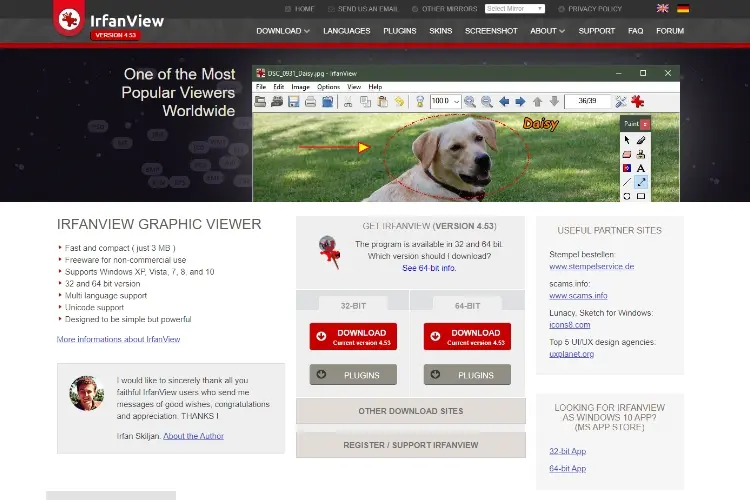
IrfanView is the gold standard for Windows photo viewing. It opens over 100 file formats, launches in milliseconds, and includes basic editing tools like crop, resize, and color adjustment. It's been regularly updated since 1996. The interface looks dated, but it's one of the most reliable and capable tools in this category. Install the full plugin pack during setup to unlock RAW support and dozens of additional formats.
ImageGlass
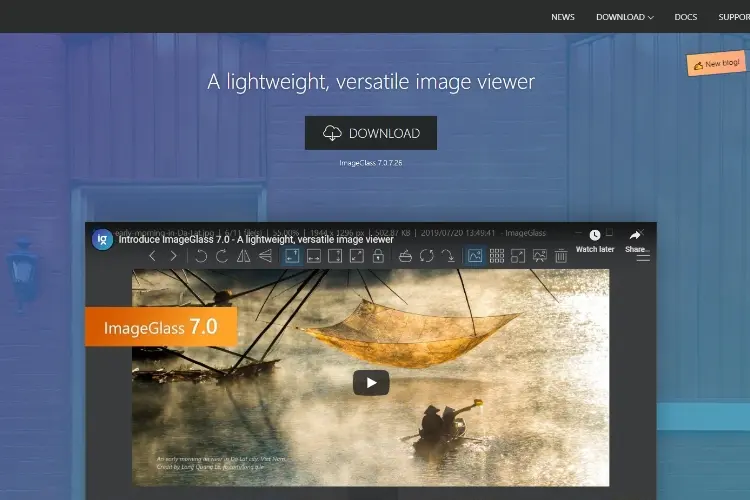
ImageGlass is the modern pick for users who want a clean, minimal interface. It's open-source, touch-friendly, and supports WebP, HEIC, and RAW formats out of the box. If the aged look of IrfanView bothers you, ImageGlass gives you the same speed with a much more polished design. It handles animated GIFs smoothly and integrates well with Windows 11.
FastStone Image Viewer
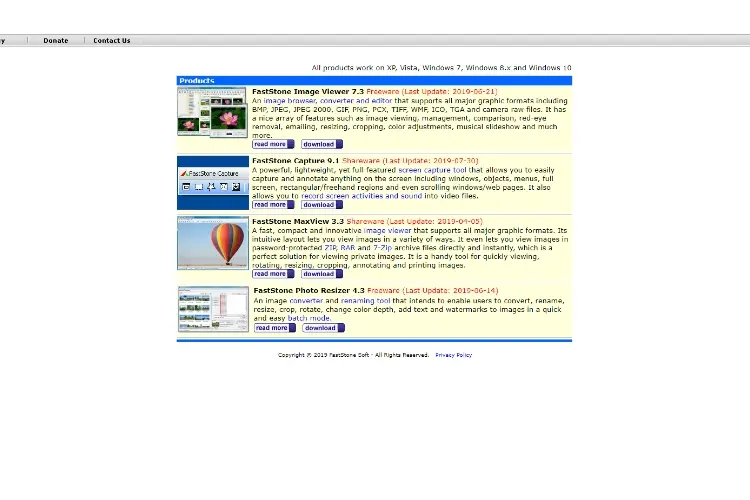
FastStone combines a viewer with a lightweight editor and file organizer. It includes a built-in batch converter, red-eye removal, color correction tools, and a full-screen mode with edge-revealed toolbar panels. If you regularly resize or convert images before sending them to your 8x10 photo printer, FastStone saves you the step of opening a separate editing application every time.
XnView
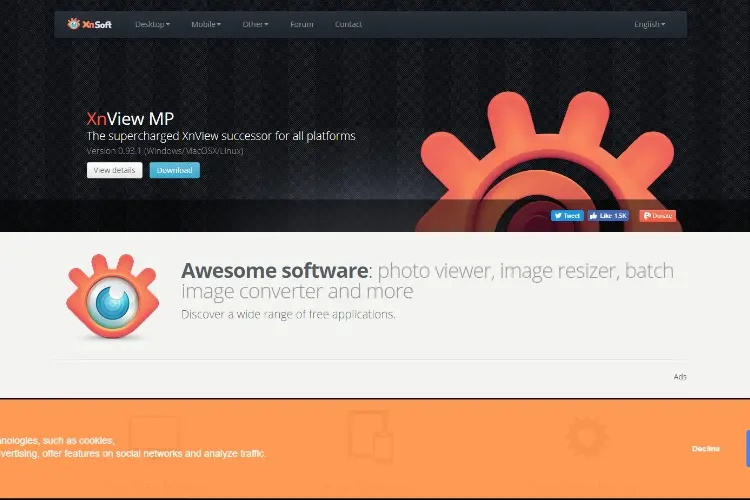
XnView supports over 500 file formats — more than any other viewer on this list. It functions as both a viewer and an organizer, with a three-panel layout similar to Adobe Bridge. A portable version runs from a USB drive without installation. Power users who deal with obscure or professional file formats will find XnView handles whatever they throw at it.
HoneyView
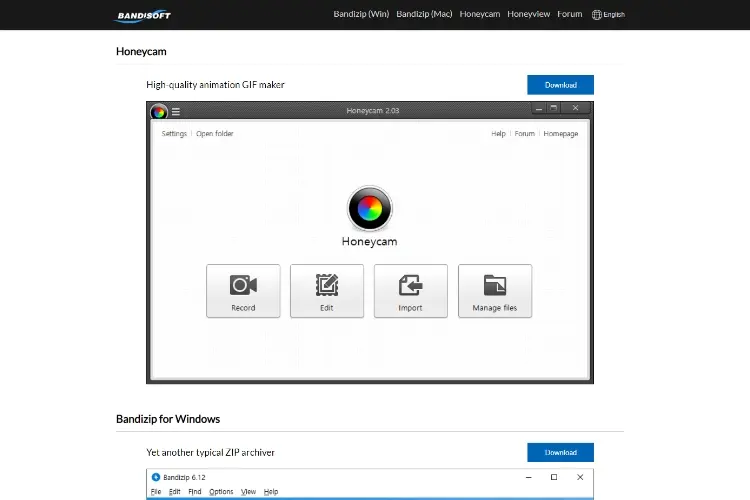
HoneyView is one of the fastest image viewers available for Windows. Hardware acceleration makes zooming and panning silky smooth. It supports RAW files, comic book archives (CBR/CBZ), and animated GIFs. If your main priority is flipping through large batches of images as quickly as possible, HoneyView is the tool for that job.
Nomacs
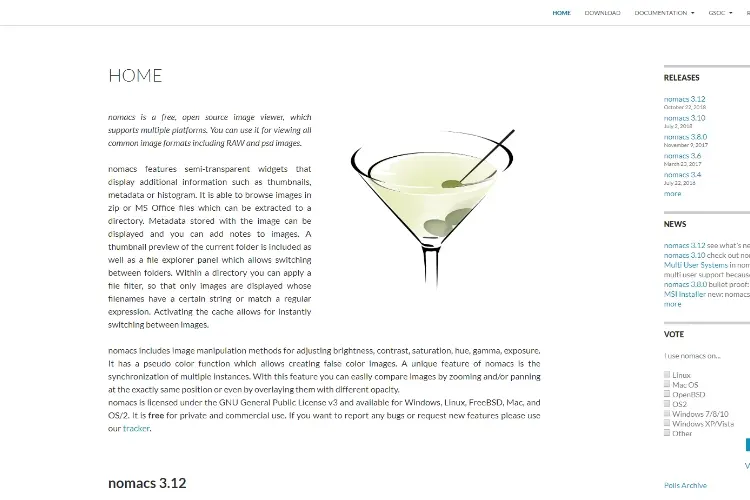
Nomacs is a cross-platform viewer — Windows, Mac, and Linux — that stands out for annotation and synchronization features. You can add notes directly to images, sync multiple viewer windows side by side for comparison, and fine-tune color settings on the fly. It's an ideal pick for collaborative image review or any project that requires detailed side-by-side comparisons.
JPEGView
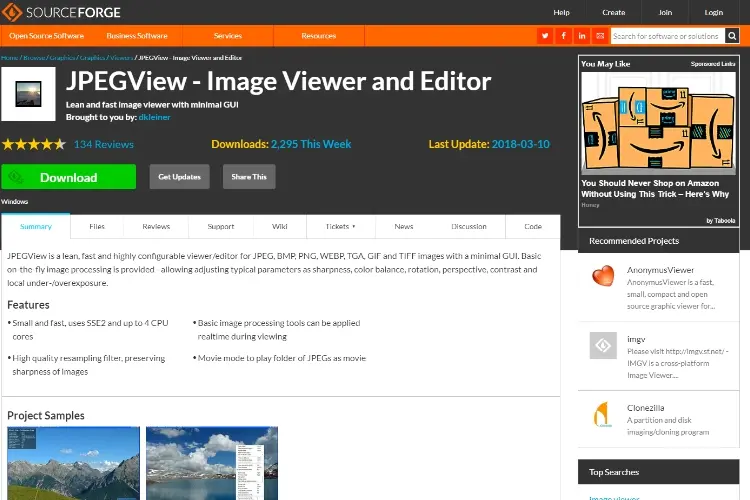
JPEGView is the most minimalist option on this list. It opens JPEG, PNG, BMP, and select RAW formats, and displays them full-screen with a small overlay for basic brightness and contrast adjustments. No menus, no toolbars, no clutter. If you just want to look at photos without any interface getting in your way, JPEGView is exactly that.
Pros and Cons of the Most Popular Free Photo Viewers
Every viewer makes trade-offs. This table gives you a fast side-by-side comparison so you can pick the right one without second-guessing yourself.
| Viewer | Free? | Portable? | Format Support | Best For | Main Downside |
|---|---|---|---|---|---|
| IrfanView | Yes | Yes | 100+ formats | Speed + reliability | Dated interface |
| ImageGlass | Yes | No | 80+ formats | Modern UI | Fewer editing tools |
| FastStone | Yes | Yes | 30+ formats | Editing + batch convert | Slight learning curve |
| XnView | Personal use | Yes | 500+ formats | Power users | Slower to start |
| HoneyView | Yes | Yes | 40+ formats | Raw speed | Limited editing |
| Nomacs | Yes | Yes | Common formats | Annotations + sync | Less intuitive |
| JPEGView | Yes | Yes | JPEG/PNG/RAW | Minimalists | Very limited features |
Free vs. Paid Considerations
Every tool on this list is free for personal use. XnView requires a license for commercial use, but all others are free in any context. There's no meaningful reason to pay for a photo viewer when these options exist. Paid alternatives in this space add features most users never need.
Feature Depth vs. Raw Speed
The more features a viewer includes, the more it tends to slow down. IrfanView and HoneyView prioritize speed above all. FastStone and XnView prioritize features. For print-prep workflows — checking images before they go to a color laser printer for photos — FastStone's batch tools give you the most utility in a single application.
Pro tip: Install IrfanView with the full plugin pack during setup — it adds RAW support and dozens of extra formats at no cost, making it compatible with virtually every camera on the market.
How to Install and Change Your Default Photo Viewer on Windows
Switching your default viewer takes about two minutes. Here's the exact process for both Windows 10 and Windows 11.
Step-by-Step Instructions
Download and install the viewer you want. All seven options have standard Windows installers — just run the setup file and click through the prompts. Once installed, right-click any image file and select "Open with" → "Choose another app." A dialog box appears. Find your new viewer in the list, check "Always use this app to open [file type] files," and click OK. Repeat for each file format you use regularly — JPEG, PNG, TIFF, and any others. On Windows 11, some formats require you to go to Settings → Apps → Default apps and assign each format manually from there.
Using a Portable Version
IrfanView, XnView, FastStone, HoneyView, Nomacs, and JPEGView all offer portable versions that run directly from a folder or USB drive without installing anything. This is ideal for shared or work computers where you can't install software. Keep in mind that portable versions won't register as your system-default viewer automatically — you'll open files by dragging them onto the app or using "Open with" each time.
Note: On some work or school computers, changing default apps requires administrator permissions — check with your IT department before installing anything.
When to Switch Photo Viewers — and When to Stick with the Default
The Windows Photos app is not useless. For some users it's genuinely fine. Here's how to tell which camp you're in.
Switch if You Work with Images Regularly
You need one of the best Windows photo viewer alternatives if any of these apply to you: you sort through large batches of photos often, you work with RAW, TIFF, HEIC, or WebP files, you need to resize or convert images before printing, or the Photos app has frozen or crashed on you. For anyone doing print prep, scanning review — especially if you use a photo scanner with auto feeder that produces hundreds of files quickly — or design work, a dedicated viewer is absolutely worth the setup time.
Stick with Photos if Your Needs Are Simple
If you only view JPEGs and PNGs occasionally, and you're not doing any serious print or craft work, the built-in Photos app does the job without any fuss. Don't complicate things when you don't need to. The Photos app also integrates cleanly with OneDrive, which matters if Microsoft's cloud storage is part of your workflow.
Building a Photo Workflow That Scales with Your Projects
A fast viewer is one piece of a larger workflow. The goal is to move from raw file to finished output as smoothly as possible. The choices you make now affect how efficiently you work months down the road.
Organize Your Files Before You View Them
Use a consistent folder structure — by date, project, or client — so you're never hunting through thousands of unsorted files. XnView and FastStone both include built-in folder browsers that let you organize directly inside the viewer. Set a naming convention and stick to it. Good file hygiene now saves significant time every time you sit down to work. Batch renaming in IrfanView or XnView is a fast way to bring an existing messy archive into order.
Pair Your Viewer with the Right Print Hardware
Your viewer determines how quickly you spot problems — color casts, resolution issues, cropping errors — before they hit paper or transfer film. A fast, accurate viewer paired with capable print hardware means fewer wasted test prints and less material waste. Run batch resizing inside FastStone or XnView rather than opening a heavy editing application every time you need to prep a single file. Keep your print drivers updated on the same schedule you update your viewer. Small consistency habits like these compound into a noticeably smoother workflow over time.
Frequently Asked Questions
Is IrfanView really better than the Windows Photos app?
Yes, for most use cases. IrfanView opens faster, supports far more file formats, and handles large image libraries without slowing down. The Photos app has a more modern interface, but IrfanView wins on speed, reliability, and compatibility — especially if you install the full plugin pack for extended format support.
Are these photo viewer alternatives safe to download?
All seven tools on this list are well-established, widely used applications with long track records. Download them directly from their official websites — IrfanView from irfanview.com, ImageGlass from imageglass.org, FastStone from faststone.org, and so on. Avoid third-party download sites that bundle unwanted software with the installer.
Can I open RAW photo files with these viewers?
Yes. IrfanView with the plugin pack, XnView, ImageGlass, HoneyView, and FastStone all support the most common RAW formats including CR2, NEF, and ARW. JPEGView has limited RAW compatibility compared to the others. If you shoot in RAW and need reliable support, IrfanView or XnView are your safest choices.
Final Thoughts
You don't need to spend money or hours researching to upgrade your photo viewer — pick IrfanView for maximum compatibility and speed, ImageGlass if you want a modern interface, or FastStone if light editing and batch conversion are part of your workflow. Download one today, set it as your default for your most-used image formats, and experience immediately how much smoother your image workflow becomes.
 |  |  |  |

About Karen Jones
Karen Jones spent seven years as an office manager at a mid-sized financial services firm in Atlanta, where she was responsible for a fleet of more than forty inkjet and laser printers spread across three floors, managed ink and toner procurement contracts, and handled first-line troubleshooting for connectivity failures, paper jams, and driver conflicts before escalating to IT. That daily exposure to printers from Canon, Epson, HP, and Brother under real office conditions gave her a practical command of setup, maintenance, and common failure modes that spec sheets never capture. At PrintablePress, she covers printer how-to guides, setup and troubleshooting tips, and practical advice for home and office printer users.


Get some FREE Gifts. Or latest free printing books here.
Disable Ad block to reveal all the secret. Once done, hit a button below
| | | |