How to Dry Acrylic Paint
by Marcus Bell · March 30, 2022
Ever sit down to paint a second layer only to smear the first one into a muddy mess? If you've been searching for how to dry acrylic paint faster, the answer is more straightforward than you'd expect. Acrylic paint is water-based, which means drying speed comes down to evaporation rate — and you have direct control over that. Whether you're working on layered artwork, home décor crafts, or applying acrylic-based inks for t-shirt printing, mastering dry time saves you hours and produces cleaner, sharper results.
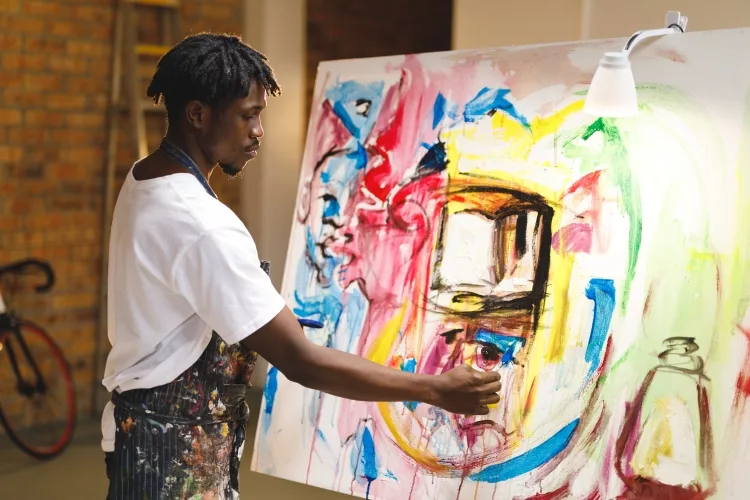
Thin layers can dry in under ten minutes under the right conditions. Thick impasto applications can stay tacky for hours — sometimes days — if you're working in a cold, humid space with no airflow. The difference between those two outcomes is entirely within your control once you understand what's driving the process. This guide gives you the science, the techniques, the tools, and the mistakes to avoid so you get consistent, fast-drying results from every session.
You'll also find out what professional artists and crafters do differently, how to build a practical drying setup on any budget, and exactly which habits are quietly adding hours to your workflow. Start here and stop waiting.
Contents
What Makes Acrylic Paint Dry the Way It Does
The Science Behind Acrylic Drying
Acrylic paint contains pigment particles suspended in an acrylic polymer emulsion. When you apply paint to a surface, the water in that emulsion evaporates, and the polymer particles fuse together into a solid, flexible film. That process is called film formation, and according to Wikipedia's overview of acrylic paint, it happens at room temperature with no additional chemical reaction required — unlike oil paint, which oxidizes to cure.
This matters because it means heat and airflow directly accelerate the process. You're not waiting for a chemical reaction to complete. You're waiting for water to leave. Speed up evaporation and you speed up drying. It's a physical process you can control.
Factors That Control Drying Time
Four variables determine how fast your acrylic paint dries. Understand and adjust all four to maximize your speed:
- Temperature — Warmer air accelerates evaporation. The optimal painting range is 65–85°F (18–29°C). Below 60°F, film formation slows dramatically and can produce a weak, crumbly surface.
- Humidity — High humidity means the air already holds a lot of water vapor, leaving less capacity to absorb moisture from your paint. Aim for relative humidity below 50%.
- Airflow — Moving air continuously replaces moisture-saturated air near the paint surface with drier air, keeping evaporation going at full speed.
- Layer thickness — A thin wash can dry to the touch in 5–10 minutes. A thick impasto stroke might take 2–3 hours. The relationship is not linear — thickness is the most impactful variable of the four.
Adjust all four simultaneously and you can cut drying time to a fraction of the default. Ignore even one of them and it becomes your bottleneck.
How to Dry Acrylic Paint Faster: Proven Techniques
Environmental Controls
Your workspace is the foundation. Set it up correctly before you open a tube of paint:
- Run a fan. A small desk fan positioned to circulate air around your work — not blowing directly onto the wet surface — speeds drying by 30–50% on its own. Direct blasting lifts paint edges and causes uneven drying.
- Use a dehumidifier. If you're working in a humid climate, basement, or during summer months, a dehumidifier is the single most underrated drying tool available. Getting from 70% humidity to 40% can cut dry time in half.
- Raise room temperature. Working at 75°F instead of 60°F produces noticeably faster drying. Don't exceed 90°F in the ambient environment — that range can cause thick layers to develop a dry skin while staying wet underneath.
- Work near natural light and airflow. A sunny window with slight ventilation provides gentle warmth and consistent air movement at zero cost.
Pro tip: Running a fan and a dehumidifier together is often faster than using a hair dryer — with none of the risk of bubbling or uneven surface drying.
Application Techniques That Help
How you apply paint directly determines how long it takes to dry. These habits make a measurable difference:
- Work in thin, even layers. Multiple thin coats dry faster in total than a single thick pass. You also get better color saturation and edge control.
- Use a palette knife for texture. When you need impasto effects, a palette knife spreads paint more evenly and at a thinner profile than a brush loaded heavily with paint.
- Dilute with water — but stay under 30%. A little water thins the paint and speeds drying. Add more than 30% by volume and you risk breaking down the acrylic binder, leading to cracking and poor adhesion once dry.
- Avoid retarder mediums. Retarders are specifically designed to slow drying for wet-on-wet blending. If speed is your goal, don't add them — even a small amount extends dry time significantly.
Tools That Speed Up Acrylic Paint Drying
Heat Tools
Applied heat drives water out of the paint film faster than ambient air alone. These are the tools that work, ranked by control and precision:
- Hair dryer — The most accessible option. Use low or medium heat, hold it 6–12 inches from the surface, and keep it in constant circular motion. Never hold still — concentrated heat in one spot causes bubbling and surface cracking.
- Heat gun — More powerful and more precise than a hair dryer. Dual-temperature models let you use low heat on thin layers and higher heat on thick applications. Requires a steady hand and consistent motion to avoid burning.
- Heat press — For fabric projects and printed garments, a heat press is the professional tool for both drying and curing acrylic textile inks. If you're already using one for heat transfers, it handles both jobs efficiently. Keep it clean and calibrated — our guide on how to clean a heat press covers the maintenance you need.
- Infrared heat lamp — Provides broad, gentle radiant heat over a larger area than a gun. Preferred by studio painters working on large canvases where even heat distribution matters more than speed.
Airflow and Ventilation Tools
- Box fan — More powerful than a desk fan and better for creating cross-ventilation across a room. Position it to draw air through the space rather than blowing directly at the work.
- Air compressor with low-pressure airbrush attachment — Delivers highly controlled airflow at minimal pressure. Ideal for delicate surfaces where any direct blast would disturb the paint. Commonly used by airbrush artists for inter-layer drying.
- Craft drying rack — Elevating flat pieces on a rack ensures air circulates underneath as well as above, preventing moisture from being trapped between the work and the table surface.
Warning: Never use an industrial heat gun on canvas stretched over a wooden frame — concentrated heat warps the wood and permanently distorts your painting surface.
When Fast Drying Matters Most
Multi-Layer Projects
Layering is the heart of acrylic technique. Glazing, scumbling, impasto buildup, underpainting — all of it depends on each previous layer being fully dry before the next one goes on. Paint a second layer over a wet surface and you get:
- Smearing and lifting of the wet underlayer
- Unintentional color mixing where you don't want it
- Bubbling if you apply heat to a layer that's wet underneath
- Weak adhesion between layers, leading to peeling over time
Anyone doing detailed portrait work, illustration, or decorative painting on multiple surfaces in a single session gains direct productivity from faster inter-layer drying. Cutting layer dry time from 30 minutes to 8 minutes means completing three times as many passes in the same session.
Fabric and T-Shirt Work
Acrylic-based textile inks applied by brush, screen, or stencil behave similarly to artist acrylics during drying but require an additional heat-curing step to become permanent and washable. Faster initial drying gets you to that curing step faster and prevents smearing during handling.
The fabric itself matters here too. Some materials absorb acrylic inks faster and hold them more evenly, which affects how quickly the surface layer dries. Our guide on how to choose the perfect t-shirt for printing covers which fabric types perform best and why cotton content directly impacts ink adhesion and drying behavior.
Real-World Applications from Artists and Crafters
Studio Painters
Professional studio artists treat drying speed as a workflow variable, not an afterthought. Common setups among working painters include:
- A dedicated drying station with a small fan, infrared lamp, and a dehumidifier running on timer
- Strict thin-layer discipline — no layer thicker than 1–2mm in a single pass
- Choosing fast-drying acrylic formulations for underpainting and slower-drying variants (like Golden OPEN Acrylics) only for final blending layers
- Keeping room temperature above 70°F year-round, even in winter studios
These aren't exotic setups. They're the result of experience teaching painters that environment and technique do more work than expensive paint brands.
Crafters and DIYers
Crafters applying acrylic paint to wood signs, canvas totes, Cricut-cut stencils, and home décor pieces use drying speed to move through multi-step projects faster. Paint, dry, seal, assemble — every phase depends on the previous one being complete.
This overlap between craft painting and print production is significant. Screen printing with acrylic-based inks involves the same drying variables, and understanding how ink additives modify drying behavior gives you direct control over production speed. Our breakdown of screen printing ink additives, reducers, and retarders is directly relevant if you're working with acrylic inks in any print context.
Common Mistakes That Slow Down Drying
Environmental Errors
- Painting in a cold room. Temperatures below 60°F slow film formation severely. Paint may stay tacky for hours or produce a surface that looks dry but remains weak underneath.
- Ignoring humidity. Working at 70% humidity versus 40% can triple your dry time. If you live somewhere humid, you need active humidity control — open windows aren't enough on most summer days.
- No ventilation. Still air becomes saturated with water vapor near the paint surface and stops absorbing moisture. Even cracking a window or placing a small fan across the room provides meaningful improvement.
- Stacking work before full cure. Surface-dry paint and fully cured paint are different states. Acrylic paint touches dry in 20–30 minutes but doesn't reach full hardness for 24–72 hours. Stack pieces too early and they'll bond together — or leave impressions in the surface.
Application Errors
- Excessive water dilution. Above 30% water-to-paint ratio, the acrylic binder breaks down. The paint may dry but will chalk, crack, or flake off the surface rather than forming a durable film.
- Unintentional retarder use. Some mediums — especially gloss and gel mediums from certain brands — contain retarding agents. Read your labels and don't mix mediums into your paint unless you know exactly what they do to dry time.
- Single-pass impasto buildup. A thick texture layer applied all at once develops a dry skin on the surface while staying wet inside. That interior moisture has nowhere to go quickly and extends dry time dramatically. Build thickness across multiple thin sessions instead.
- Heat too close to the surface. Holding a heat gun or hair dryer under 6 inches from wet paint forces surface drying faster than the paint can handle, creating bubbles and micro-cracks.
Cost Breakdown: Drying Tools and Supplies
Budget-Friendly Options
Most of the highest-impact drying methods cost very little. You don't need professional equipment to get professional drying results:
| Tool / Method | Estimated Cost | Effectiveness | Best For |
|---|---|---|---|
| Desk fan | $10–$25 | High | Everyday painting sessions |
| Hair dryer (existing) | $0–$30 | High | Quick inter-layer drying |
| Open window + cross-ventilation | Free | Moderate | Low-humidity days |
| Craft drying rack | $15–$40 | Moderate | Flat panels and craft pieces |
| Compact dehumidifier | $40–$80 | High (in humid climates) | Humid basements and summer studios |
Mid-Range and Professional Tools
If you paint frequently, these investments pay for themselves quickly in time saved:
- Heat gun ($20–$60): More controlled and faster than a hair dryer. Dual-temperature models handle both thin washes and thick impasto layers.
- Infrared heat lamp ($30–$90): Even radiant heat over a wide area. Ideal for large-format canvases where point-source tools leave uneven results.
- Box fan with HEPA filter ($60–$120): Improves airflow while filtering dust — a critical feature in any workshop where particles in the air land on wet paint.
- Portable dehumidifier/AC combo ($150–$300): Handles both temperature and humidity control in one unit. The professional solution for serious studio setups in challenging climates.
Frequently Asked Questions
How long does acrylic paint take to dry normally?
Thin acrylic layers dry to the touch in 10–30 minutes at room temperature with adequate airflow. Thick layers can take 1–3 hours or more. Full cure — the point at which the paint reaches maximum hardness and durability — takes 24–72 hours regardless of how dry the surface feels to the touch.
Can you use a hair dryer to dry acrylic paint?
Yes, and it works well. Use the low or medium heat setting, hold the dryer 6–12 inches from the paint surface, and keep it moving in slow circular passes. High heat settings held in one spot cause bubbling and surface cracking — consistent movement and moderate heat are the keys.
Does adding water to acrylic paint make it dry faster?
A small amount of water — up to 20–30% by volume — thins the paint and speeds drying by reducing the material that needs to evaporate. Exceeding that ratio breaks down the acrylic polymer binder, resulting in paint that dries but chalks, cracks, or flakes off the surface rather than adhering properly.
Why is my acrylic paint still tacky after several hours?
Tacky paint after several hours points to one of three causes: the layer is too thick, room humidity is too high, or room temperature is too low. Improve airflow first, then address temperature and humidity. In most cases, running a fan and raising room temperature resolves it within another hour.
How do you dry acrylic paint on fabric faster?
Apply acrylic textile ink in thin, even layers and use a hair dryer or heat press to drive out moisture quickly between passes. Once the ink is surface-dry, heat-set it using an iron or heat press at the temperature appropriate for your fabric — heat setting is what makes the color permanent and washable, so don't skip this step.
Next Steps
- Set up your drying environment before your next session — turn on a fan, check that room temperature is above 65°F, and run a dehumidifier if you're in a humid space.
- Practice thin-layer discipline on your next project: apply two thin coats instead of one heavy pass and measure how much total time you save.
- Test your hair dryer or heat gun on a scrap surface to find the right distance and motion speed before applying heat to finished work.
- If you work with acrylic textile inks, review your heat-press temperature and dwell time settings — proper curing locks in washability and is the step most people skip.
- Read through our guide on screen printing ink additives, reducers, and retarders to understand exactly how ink modifiers affect drying in production environments.
 |  |  |  |
About Marcus Bell
Marcus Bell spent six years as a production manager at a small-batch screen printing shop in Austin, Texas, overseeing everything from film output and emulsion coating to press registration, squeegee selection, and garment finishing. He expanded into vinyl cutting and Cricut projects when the shop added a custom apparel decoration line, giving him direct experience with heat transfer vinyl application, weeding techniques, and the real-world differences between Cricut, Silhouette, and Brother cutting machines. At PrintablePress, he covers screen printing, vinyl cutting and Cricut projects, and T-shirt printing and decoration techniques.


Get some FREE Gifts. Or latest free printing books here.
Disable Ad block to reveal all the secret. Once done, hit a button below
| | | |