Cricut Vs Silhouette Vs Brother
by Marcus Bell · March 28, 2022
When you're comparing Cricut vs Silhouette vs Brother, here's the quick answer: Cricut is the easiest to use, Silhouette gives you the most design freedom, and Brother offers solid value with a unique built-in scanner. Each machine has earned its place in the crafting world, and the right choice comes down to how you work, what you make, and how much you want to spend over time. For a deeper look at vinyl cutting as a whole, browse the vinyl and Cricut category here on PrintablePress.
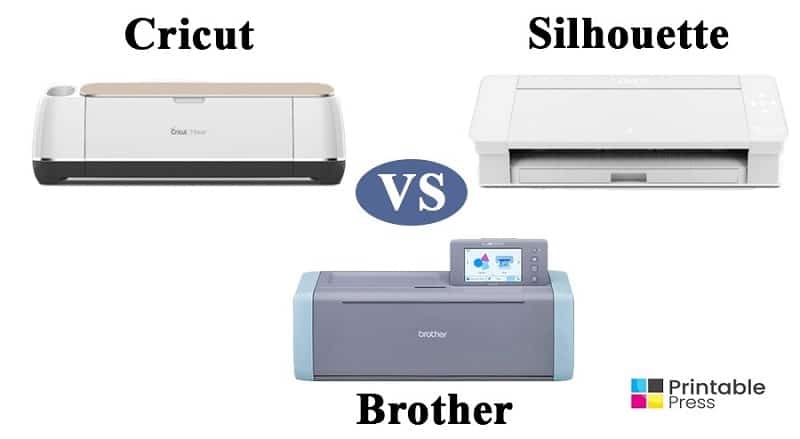
All three brands have loyal followings, and for good reason. The crafting community has debated this matchup for years without a clean winner emerging, because the truth is that each machine excels in a different context. What matters is matching the machine to your actual workflow — not just the one with the most features on paper.
Whether you're cutting heat transfer vinyl for custom shirts, building layered designs for wall art, making stickers, or experimenting with paper crafts, understanding how these three machines stack up saves you from buyer's remorse. This guide breaks down the differences in a way that helps you make a confident, informed decision.
Contents
- What Makes These Machines Different
- Side-by-Side: Key Specs at a Glance
- Matching Each Machine to Your Projects
- Getting the Most Out of Your Cutting Machine
- Mistakes That Cost You Time and Money
- When Your Cuts Don't Go as Planned
- Planning Your Crafting Setup for the Future
- Frequently Asked Questions
- Next Steps
What Makes These Machines Different
The Brand Histories in Brief
Cricut launched its first consumer cutting machine in 2007 and has since grown into the most recognized name in the hobby cutting space. The brand pivoted from cartridge-based designs to software-driven machines, and today Cricut Design Space powers every model they sell. Die cutting technology has evolved considerably since the early days, and Cricut has consistently positioned itself at the accessible, consumer-friendly end of that evolution.
Silhouette emerged as a strong competitor with its CAMEO line, targeting crafters who want more hands-on control over their design process. Brother entered the cutting machine market as an extension of its well-established sewing and embroidery line. The Brother ScanNCut series brings something neither Cricut nor Silhouette offer at a comparable price: a built-in scanner that lets you digitize hand-drawn artwork or fabric patterns and cut them directly.
Core Technology
All three machines use a drag-knife cutting system, but the details differ meaningfully. Cricut's Maker series uses an adaptive tool system capable of applying up to 4kg of cutting force, which opens up materials like basswood, leather, and thick chipboard. The Silhouette CAMEO 4 introduced AutoBlade, which reads your material settings and adjusts blade depth automatically. Brother's ScanNCut leans on its scanner as a differentiator — you can place an image, fabric piece, or hand-drawn sketch on the scanning bed and cut it without ever opening design software on a computer.
Side-by-Side: Key Specs at a Glance
This table gives you a fast reference for comparing the three brands across the features that matter most to most crafters.
| Feature | Cricut Maker 3 | Silhouette CAMEO 4 | Brother ScanNCut SDX230E |
|---|---|---|---|
| Max Cut Force | 4 kg (adaptive) | 5 kg | 2.4 kg (300g for fabric) |
| Max Cut Width | 12 in (24 in with roll feed) | 12 in (24 in Pro version) | 12 in |
| Software | Cricut Design Space (subscription) | Silhouette Studio (free tier available) | CanvasWorkspace (free) |
| Built-in Scanner | No | No | Yes (300 dpi) |
| Bluetooth | Yes | Yes | Yes |
| Works Offline | Limited | Yes | Yes (standalone mode) |
| Subscription Required | Optional (Access) | No | No |
| Material Compatibility | 300+ materials | 100+ materials | Fabric, vinyl, paper, felt |
Matching Each Machine to Your Projects
Cricut for Everyday Crafters
If ease of use matters most to you, Cricut is the safest bet. Design Space walks you through every step, and the library of ready-made designs through Cricut Access means you don't need to create everything from scratch. For making custom shirts, decals, mugs, greeting cards, and gifts, the Explore Air 2 and Maker series handle the work cleanly and consistently.
Cricut shines on heat transfer vinyl projects. Whether you're learning to apply white HTV on dark shirts or cutting intricate glitter designs, the pressure control and material presets make the process straightforward even when you're still learning the ropes. The community around Cricut is also enormous, which means tutorials, troubleshooting help, and inspiration are never far away.
Silhouette for Design-Heavy Work
Silhouette Studio's free tier is genuinely generous. You can import SVG files, use any font installed on your computer, and do print-and-cut work without paying for a subscription upgrade. That flexibility makes Silhouette the better tool for crafters who design their own artwork, run small creative businesses, or work heavily with custom files. The CAMEO 4's dual carriage is also a practical advantage — you can cut and draw (or score) in a single pass.
The software is the centerpiece of what makes Silhouette different. If you want to understand exactly how the two platforms compare before committing, our side-by-side review of Silhouette Studio vs Cricut Design Space walks through the key differences in detail.
Brother for Budget Flexibility
The Brother ScanNCut line occupies a specific niche: capable cutting without ongoing software costs or ecosystem lock-in. The built-in scanner is a genuine differentiator for quilters and crafters who work with fabric patterns, hand lettering, or scrapbook elements they want to digitize and cut. Brother machines are generally priced lower than the Cricut Maker series, which makes them a reasonable starting point if you want to explore cutting without a large upfront investment.
Getting the Most Out of Your Cutting Machine
Material Settings Matter
One of the biggest differences between a clean cut and a ruined sheet of vinyl comes down to dialing in your settings. Cricut uses preset material profiles that are reliable for common materials but can be limiting when you're working with specialty items. Silhouette lets you manually adjust blade depth, cutting speed, and the number of passes — more control, but also more room for error until you find your settings. Brother relies partly on the scanner to detect material type, which simplifies the process but can occasionally misread specialty finishes.
Always run a test cut before committing a full sheet of material — a 1-inch test square can save you from wasting expensive vinyl or HTV on a bad setting.
For vinyl-specific cuts that require precision — like cutting glitter HTV with a Cricut — matching your blade depth and pressure to the exact material thickness makes a visible difference in the finished result.
Mats, Blades, and Accessories
Your cutting mat is the foundation of every project. A worn, dirty, or overly sticky mat leads to material shifting, uneven cuts, and ruined designs. Each brand uses its own proprietary blade system, so factor accessory costs into your budget comparison — replacement blades and mats are recurring expenses that add up over time. Cricut's accessory ecosystem is the most developed, but it's also among the most expensive on a per-item basis. Silhouette's accessories are comparably priced. Brother's accessory market is smaller, which can make finding specialty blades more of a search.
Mistakes That Cost You Time and Money
Choosing Based on Price Alone
The sticker price of a cutting machine tells only part of the story. Cricut Access, the subscription that unlocks the full design library, adds a recurring cost that compounds over months and years. If you use the library heavily, it can be worthwhile. If you prefer to design your own work, you may never need it — but you're still paying for it if you subscribed by default. Silhouette's one-time software purchase model (for the Designer Edition or higher) tends to be more economical for serious crafters over a multi-year span. Brother has no subscription at all.
Ignoring the Software Before You Buy
Hardware specs capture attention, but the software is where you spend most of your time. If you already have a library of fonts, SVG files, and design assets, Silhouette Studio gives you more freedom to use them without paying extra. Cricut Design Space is more polished and beginner-friendly, but it gates certain features — including the ability to upload your own SVGs without limitation — behind a subscription. Both platforms offer free accounts you can test before buying a machine, and it's worth doing exactly that.
Test-drive the software before you buy the hardware — both Cricut Design Space and Silhouette Studio have free versions you can explore without owning a machine.
Overlooking Cut Quality on Intricate Designs
Not all machines cut fine details equally well. Cricut's Maker 3 handles intricate cuts — tiny text, complex shapes, fine filigree — with impressive consistency. The CAMEO 4 is competitive, but some crafters find very small text or tight curves require more tuning to get right. If precision is central to your work, whether you're making stencils or cutting vinyl stencils for painting on wood and canvas, testing the machine with a demanding design before you buy is worth the extra step.
When Your Cuts Don't Go as Planned
Poor Cut Quality
Rough edges, incomplete cuts, and tearing almost always trace back to three causes: a dull blade, incorrect material settings, or a mat that's lost its grip. Start with the simplest fix — swap the blade and run a fresh test cut. If the problem continues, revisit your settings. Are you using the right material profile? Is your mat clean and sticky enough to hold the material flat during the cut? For Cricut owners dealing with this issue specifically, our troubleshooting guide on why your Cricut isn't cutting through vinyl covers the most common causes with clear solutions.
Software and Connectivity Issues
Cricut Design Space is cloud-based, which means it requires an internet connection for most operations — including cutting. This is a real limitation if your workspace has inconsistent Wi-Fi. Silhouette Studio runs locally on your computer and works offline without restriction. Brother's ScanNCut goes further: it can operate entirely as a standalone device without a computer present at all, using its built-in touchscreen and scanner. If connectivity is a concern for your setup, this is a meaningful practical difference between the three brands.
Planning Your Crafting Setup for the Future
Ecosystem Lock-In
Once you've invested in a brand's ecosystem — blades, mats, accessories, software, and design library — switching carries a real cost. Cricut's ecosystem is the most developed: a wide range of materials, specialty tools (scoring wheel, rotary blade, engraving tip), and accessories designed specifically for their machines. Silhouette's ecosystem is solid but smaller. Brother's ScanNCut accessory market is the narrowest of the three, though the brand's durability reputation from its sewing machine line is a reassuring signal about long-term reliability.
Resale Value and Longevity
Cricut machines hold their resale value better than either Silhouette or Brother, largely due to brand recognition in the wider crafting community. If you plan to upgrade in a few years, a Cricut is easier to sell second-hand. All three brands release new models regularly, so chasing the latest version is a moving target — buy the machine that fits your current needs well, and don't feel pressure to upgrade on anyone else's timeline.
Frequently Asked Questions
Is Cricut better than Silhouette for beginners?
Cricut is generally the easier starting point. Design Space has a more guided interface, built-in material presets, and a larger beginner community. Silhouette Studio offers more power and flexibility but has a steeper learning curve that rewards crafters who are willing to invest time in learning the software.
Can Brother ScanNCut cut vinyl?
Yes, Brother ScanNCut machines cut adhesive vinyl, heat transfer vinyl, and other common crafting materials. The built-in scanner also lets you trace and cut shapes from physical objects, which is a feature neither Cricut nor Silhouette offer natively at a comparable price point.
Do you need a subscription to use a Cricut?
No, a subscription is not required to operate a Cricut machine. You can cut your own uploaded designs using the free tier of Cricut Design Space. The Cricut Access subscription adds access to their design library, fonts, and ready-made projects, but it is optional.
Which machine is best for cutting HTV for shirts?
All three machines cut heat transfer vinyl effectively. Cricut's Maker and Explore series are popular choices because of their consistent pressure control and the large number of HTV-specific tutorials available. For athletic or stretch fabrics, pairing any of these machines with the right HTV material matters just as much as the machine itself.
How does the Cricut vs Silhouette vs Brother comparison change for small business owners?
For small business use, Silhouette tends to be the most cost-effective over time because its software doesn't require a recurring subscription and allows unlimited SVG imports on paid tiers. Cricut's wider accessory range and premium cut quality on the Maker 3 suit higher-volume production, but the ongoing software costs need to factor into your pricing model.
Next Steps
- Visit the vinyl and Cricut category on PrintablePress to explore machine-specific guides, project tutorials, and material recommendations for your cutter of choice.
- Create a free account in both Cricut Design Space and Silhouette Studio and spend 30 minutes in each — how the software feels to use is the single most important factor most buyers overlook.
- Make a list of the three most common project types you plan to make, then check which machine has the clearest material support and community resources for those specific projects.
- Calculate your total cost of ownership over two years: machine price plus estimated blade and mat replacements, plus any software subscription — this number often changes the ranking significantly.
- Run a test cut on your chosen machine within the first week using the exact material you plan to use most — confirm your settings are dialed in before investing in larger quantities of that material.
 |  |  |  |
About Marcus Bell
Marcus Bell spent six years as a production manager at a small-batch screen printing shop in Austin, Texas, overseeing everything from film output and emulsion coating to press registration, squeegee selection, and garment finishing. He expanded into vinyl cutting and Cricut projects when the shop added a custom apparel decoration line, giving him direct experience with heat transfer vinyl application, weeding techniques, and the real-world differences between Cricut, Silhouette, and Brother cutting machines. At PrintablePress, he covers screen printing, vinyl cutting and Cricut projects, and T-shirt printing and decoration techniques.


Get some FREE Gifts. Or latest free printing books here.
Disable Ad block to reveal all the secret. Once done, hit a button below
| | | |