How To Start A Heat Transfer Business
by Anthony Clark · April 02, 2022
A friend of mine set up a folding table in her garage, plugged in a used heat press she found online, and had her first custom t-shirt order fulfilled before the week was out. That image has stayed with me ever since — because it showed exactly how accessible this business really is. If you're serious about learning how to start a heat transfer business, the path is clearer than most people expect. Our heat press resource hub covers the machines and techniques you'll rely on every single day as a business owner.
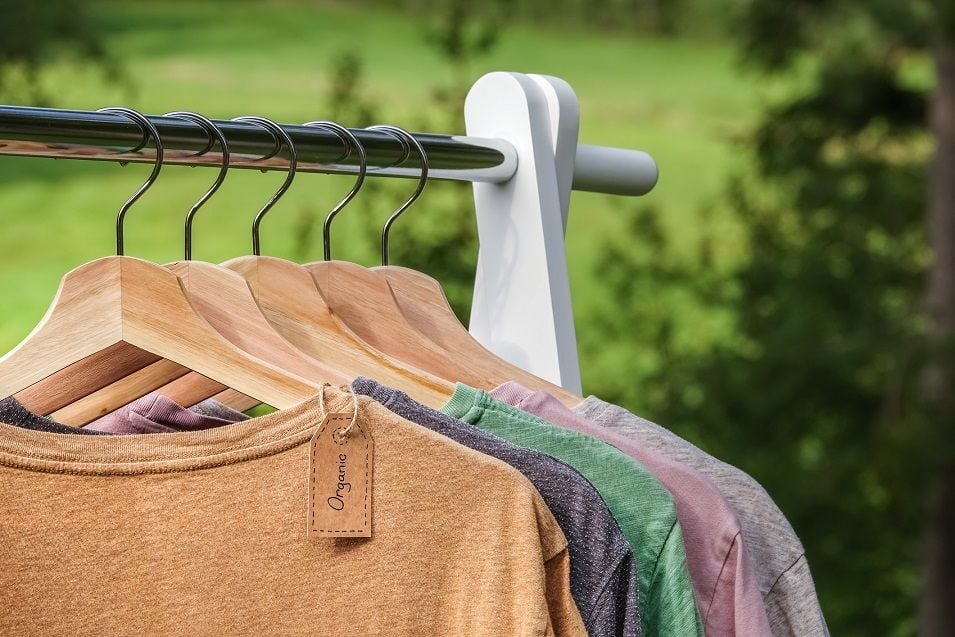
The demand for custom apparel, branded merchandise, and personalized gifts has never been stronger. Corporate clients want matching polos. Sports leagues need uniforms every season. Families order reunion shirts by the dozen. The market for heat transfer products is everywhere around you — you just need to reach it with the right offer at the right price.
This guide walks you through every stage of building a heat transfer business from scratch: the gear you need, what it realistically costs, which printing method fits your niche, and the long-term moves that separate a thriving operation from a short-lived hobby project. Read it in full before you press your first shirt.
Contents
- The Equipment Every Heat Transfer Business Needs
- Breaking Down Your Startup Costs
- Starting Simple vs. Going Pro: Choosing Your Path
- Comparing Heat Transfer Methods: Which One Fits Your Business?
- What Successful Heat Transfer Businesses Actually Look Like
- The Honest Pros and Cons of Running a Heat Transfer Business
- Building a Heat Transfer Business That Lasts
- Fixing Common Heat Transfer Problems Before They Cost You
The Equipment Every Heat Transfer Business Needs
The Heat Press Machine
Your heat press is the engine of your entire operation. Clamshell presses are the most common entry-level choice — they lift straight up, take up less counter space, and handle flat garments well. Swing-away presses give you better access to the platen and more consistent pressure distribution, which matters once you start pressing thicker substrates like bags, hats, and hoodies. Auto-open models reduce operator fatigue during high-volume production runs.
For a startup, a 15×15-inch swing-away press in the $400–$600 range is a strong starting point. It handles full front and back prints and is durable enough to grow with you. Brands like Stahls', Geo Knight, and Hotronix are the industry benchmarks because they back their machines with actual customer support — not just a warranty card.
Never skip pressure calibration when setting up a new press — uneven pressure causes peeling edges and wasted transfers, and wasted transfers quietly destroy your profit margins.
Printer, Ink, and Transfer Materials
Your printer choice depends entirely on your production method. For sublimation, you need an inkjet printer converted to sublimation ink — Epson EcoTank models are the most popular choice because of their high-capacity ink tanks and clog-resistant print heads. For heat transfer vinyl (HTV), you need a vinyl cutter like a Cricut Maker or Silhouette Cameo rather than an inkjet printer. If you're going the DTF route, most startups outsource printing to a DTF supplier and focus on pressing rather than running the printer themselves.
Before you commit to a production method, read our detailed walkthrough on how to print on heat transfer paper — it covers paper types, ink compatibility, and the most common mistakes that trip up new business owners before they ever press their first shirt.
- Sublimation setup: Converted Epson EcoTank + sublimation ink + sublimation paper
- HTV setup: Vinyl cutter + heat transfer vinyl rolls + weeding tools
- DTF transfers: Partner with a DTF supplier — no in-house printer required
- Plastisol transfers: Order pre-printed gang sheets from a trade supplier and press to order

Breaking Down Your Startup Costs
What a Minimum Viable Setup Costs
You do not need to spend ten thousand dollars to open a heat transfer business. A lean starter setup — used heat press, entry-level converted sublimation printer, basic supplies — can come in under $800. That's enough to fulfill real orders and generate real revenue before you upgrade a single piece of equipment. Below is a realistic cost breakdown across three budget tiers.
| Item | Budget (~$800) | Mid-Range (~$2,500) | Professional (~$6,000+) |
|---|---|---|---|
| Heat Press | Used 15×15" clamshell ($200–$300) | New 15×15" swing-away ($400–$600) | Auto-open swing-away ($900–$1,500) |
| Printer / Cutter | Converted Epson ET-2720 ($200) | Epson ET-4800 or Cricut Maker 3 ($350–$380) | Epson F170 dedicated sublimation ($650+) |
| Vinyl Cutter | Cricut Joy (~$180) | Silhouette Cameo 4 (~$300) | Graphtec CE7000 (~$1,500) |
| Ink, Paper, Vinyl | $100–$150 | $300–$400 | $600–$1,000 |
| Software and Fees | $50–$100 | $150–$250 | $300–$500 |
Ongoing Operating Costs
Startup costs are a one-time investment. Operating costs are what actually determine whether your business is profitable month over month. Track these from your very first order:
- Blank garments and substrates — your largest variable cost
- Ink, sublimation paper, or vinyl rolls depending on your method
- Packaging materials: poly bags, boxes, tissue paper, stickers
- Platform fees if you sell on Etsy or Shopify
- Shipping costs — negotiate carrier rates early, they add up fast
Target a 40–60% profit margin on every product. If a blank t-shirt costs four dollars and your supplies add another two, your floor price should be around eighteen to twenty dollars for a sustainable margin. Price below that, and you're burning time and energy for almost no return.
Starting Simple vs. Going Pro: Choosing Your Path
The Beginner Approach
Most successful heat transfer businesses start with one method and one niche. Trying to offer sublimation, HTV, DTF, and screen printing simultaneously as a beginner produces mediocre results across the board — and overwhelms you before you've built any momentum. Pick the method that fits your budget, your target customer, and the workspace you actually have.
Sublimation is among the most beginner-friendly approaches. Entry cost is manageable, output quality is excellent — full-color photorealistic prints with no texture on the fabric — and the learning curve is gentle. The key limitation: sublimation only works on polyester-coated or high-poly substrates. It will not transfer properly onto a standard 100% cotton shirt.
HTV is the other strong beginner path. You cut designs from vinyl rolls using a Cricut or Silhouette cutter, weed away the excess material, and press the transfer onto the garment. It works on cotton, polyester, and blended fabrics. The trade-off is labor intensity — complex multi-color designs require layering multiple pieces of vinyl, which takes time on every single shirt.
When You're Ready to Scale
Once you've proven the concept and have consistent orders coming in, you can expand your method mix. Direct-to-Film (DTF) printing is the most popular upgrade path — it produces full-color transfers that work on virtually any fabric, including dark garments, with no weeding required. It's a major efficiency gain over HTV for complex multi-color artwork.
At the advanced level, you're also thinking about gang sheets (printing multiple designs on one transfer sheet to minimize waste), batch pressing workflows, and tools like Printavo to manage production schedules. The transition from side hustle to real business happens when your systems run without constant manual intervention.
Comparing Heat Transfer Methods: Which One Fits Your Business?
An Honest Side-by-Side Look
Every heat transfer method has a specific sweet spot. Before committing, understand exactly what you're signing up for. Our in-depth guide on how to print sublimation transfers is worth reading if you're leaning that direction — it covers setup, paper selection, color profiles, and the most common beginner mistakes in detail.
Here's how the four main methods stack up on the factors that matter most to a new business owner:
- Sublimation: Best for polyester blanks, mugs, and promotional products. Vibrant, durable, zero texture. Locked to light-colored poly substrates — no dark garments, no cotton.
- HTV (Heat Transfer Vinyl): Works on cotton and blends. Great for names, numbers, and simple designs. Labor-intensive for complex multi-color artwork.
- DTF (Direct-to-Film): Full color on any fabric, no weeding, works on dark garments. Higher upfront cost or requires outsourcing to a DTF supplier.
- Plastisol Transfers: Order pre-printed transfers, press and ship. Lowest skill floor. Lower margins and less creative control compared to in-house methods.
For most people starting a heat transfer business from scratch, sublimation or HTV is the right first step. Both offer manageable startup costs, a defined learning curve, and steady customer demand. DTF and plastisol make more sense once you have proven cash flow and a defined product catalog to support the investment.
What Successful Heat Transfer Businesses Actually Look Like
The Home-Based Operation
The vast majority of heat transfer businesses start at home, and many stay there profitably for years. A dedicated workspace — a spare bedroom, a section of the garage, a finished basement — is all you need. You handle everything yourself: design approvals, printing or cutting, pressing, quality checks, packaging, and shipping. This structure keeps overhead near zero and lets you test your market without financial pressure.
Home-based operators typically target local customers first: youth sports teams, school fundraisers, small businesses in the immediate area. Word of mouth in a local community can sustain a part-time operation for years, and local clients are far easier to retain than customers who found you through an Etsy search and have no loyalty to your shop.
The Online Storefront
Once your production workflow is solid and repeatable, an Etsy shop or a Shopify store expands your reach nationwide. Online selling requires sharper product photography, more precise listing descriptions, and faster turnaround times than local orders — but the volume potential is dramatically higher than any local market alone can deliver.
Your product photography functions as a direct revenue driver. Clean flat-lay shots, lifestyle images on actual people, and high-quality mockups for designs not yet in production all contribute meaningfully to conversion rates. Invest time here early and that investment compounds indefinitely. Many business owners run both channels simultaneously — local clients for relationship depth, online for scale and reach.
The Honest Pros and Cons of Running a Heat Transfer Business
What Works in Your Favor
- Low barrier to entry — a functional setup costs under $1,000
- Strong demand across multiple markets: sports, corporate, events, retail, nonprofits
- Scalable — add equipment and hire help as order volume justifies it
- Home-based operation is completely viable at the startup stage
- Creative control over your product line and business identity
- Strong repeat business potential when quality is consistent
What You Need to Prepare For
- Physical labor — pressing shirts and weeding vinyl for hours takes a real toll
- Intellectual property risks — printing copyrighted characters or logos without a license exposes you to legal action
- Seasonal demand swings — holidays and back-to-school are peaks; January through February are typically slow
- Equipment maintenance — presses need calibration, printers need regular head cleaning
- Customer revisions — some clients request multiple design rounds before approving anything
The biggest surprise for most new owners is how much of the job is customer service. You're not just a printer — you're a design consultant, a production manager, and a quality controller all in one. Set clear expectations around turnaround times, revision limits, and what happens when a garment misprints. Put it in writing from your first order. It prevents almost every dispute before it starts.
Building a Heat Transfer Business That Lasts
Picking a Niche and Owning It
Generalists compete on price. Specialists compete on expertise. The heat transfer business owners who build durable, profitable operations almost always specialize — youth sports uniforms, employee branded apparel, wedding party shirts, or promotional merchandise for a specific trade. When you become known as "the person who handles sports team gear in this area," referrals come to you automatically instead of you chasing every customer.
Choose a niche based on three factors: what you genuinely enjoy making, where demand is demonstrably strong in your market, and where customers are willing to pay premium prices for quality and reliability. A niche doesn't limit your business — it defines your reputation.
Keeping Customers Coming Back
One sports team account that reorders every season is worth more to your business than ten one-off transactions. Repeat customers generate revenue without requiring you to spend time or money on acquisition. Focus your energy early on building real relationships, not just fulfilling orders.
- Follow up after every delivery to confirm the customer is satisfied
- Offer priority turnaround or a small acknowledgment discount for loyal accounts
- Keep records of each client's previous orders, sizes, and design preferences
- Send seasonal reminders before school sports seasons, the holidays, and major local events
Use social media to document your work consistently. Behind-the-scenes production photos, before-and-after presses, and client testimonials build trust with potential buyers who don't know you yet. Posting two or three times per week compounds into measurable brand awareness within six months.
Pricing for Profitability
Underpricing is the most common and most damaging mistake new heat transfer business owners make. Cheap prices attract price-sensitive customers who leave the moment someone cheaper appears — and they keep you working long hours for margins that don't justify the effort. Price based on your actual cost of goods, your time at a fair hourly rate, and the value your quality and reliability deliver. Raise your prices as your reputation grows. Customers who value your work will follow.
Fixing Common Heat Transfer Problems Before They Cost You
Peeling and Lifting Transfers
Peeling transfers trace back to two root causes: incorrect pressure and incompatible materials. If a design lifts at the edges immediately after pressing, your pressure setting is too low. If it peels after the first wash, you either underpressed — wrong temperature, too short a time — or used a transfer type that isn't compatible with your fabric. Always press a sample before running any full batch for a client.
A secondary and often overlooked cause is moisture trapped in the garment. Pre-pressing your blank for five seconds before applying the transfer eliminates residual moisture and smooths out fabric wrinkles — both of which interfere directly with transfer adhesion. This single habit prevents a large percentage of peeling complaints.
When a transfer peels after the first wash, check your time, temperature, and pressure settings before blaming the transfer — the settings are wrong far more often than the materials are defective.
Color Problems and Inconsistency
Color issues in sublimation printing typically trace back to three sources: an incorrect or missing ICC color profile in your print settings, sublimation ink that has degraded or been sitting in clogged nozzles too long, or a substrate with insufficient polyester content to accept the dye. For HTV, batch-to-batch color inconsistency usually means you've switched vinyl brands or used rolls from different production batches that don't match precisely.
Always print a test transfer on a scrap piece of your substrate before pressing a client's order. It takes thirty seconds and prevents hours of reprinting. Keep a production log recording your time, temperature, pressure, and ink levels for every session — when something works perfectly, you want to replicate it exactly. When something fails, you want to know exactly what to change.
When Equipment Acts Up
Heat presses drift out of calibration over time. The platen can become uneven, creating inconsistent pressure across the transfer area. Use a pressure test sheet — a piece of silicon-backed paper with carbon paper sandwiched between the platens — to check consistency across the full surface. Adjust the corner screws until pressure is uniform from edge to edge. Do this check every few months, not just when problems appear.
Printers are the other common failure point. Sublimation printers in particular need a nozzle check and cleaning cycle if they sit idle for more than a few days. Sublimation ink dries in the nozzles quickly and causes banding, color gaps, or lines across your prints. Run a nozzle check weekly, even during slow weeks — it's a five-minute habit that keeps your output consistent and client-ready.
Frequently Asked Questions
How much money do I need to start a heat transfer business?
You can launch a functional heat transfer business for as little as $500 to $800 using a used heat press and an entry-level converted sublimation printer. A mid-range setup with new equipment runs $2,000 to $3,000. The exact cost depends on which printing method you choose and whether you buy new or used equipment to start.
Do I need a business license to sell heat transfer products?
Requirements vary by location, but most jurisdictions require at least a basic business license or a seller's permit for sales tax purposes. The U.S. Small Business Administration provides a clear starting point for understanding what licenses apply in your state and city. Set up your business structure properly from day one — it avoids problems that are far more expensive to fix later.
What is the most profitable heat transfer method for a new business?
Sublimation printing offers some of the strongest margins for new business owners because consumable costs are low, print quality is high, and the method scales well to both custom garments and promotional products like mugs and tumblers. HTV is also highly profitable for small custom runs, especially for personalized names and numbers on team uniforms where each piece commands a premium price.
Can I run a heat transfer business from home?
Yes, and most successful operations start exactly that way. You need a dedicated workspace with adequate ventilation, a sturdy table rated for your press weight, and reliable electrical outlets. Check your local zoning laws before accepting commercial-volume orders from a residential address — some jurisdictions restrict manufacturing activities in residential zones, and it's better to know before a neighbor files a complaint.
How long does it take to fulfill a typical heat transfer order?
A standard order of a dozen custom shirts takes one to three hours of production time once your design is approved and your blanks are on hand. Most home-based operators quote a three-to-five business day turnaround from order confirmation to shipping. Rush orders for events are common and worth charging a premium for — your flexibility is a genuine competitive advantage over large print shops with fixed production queues.
The heat transfer business rewards people who start with one method, one niche, and one commitment to quality — everything else grows from there.
 |  |  |  |

About Anthony Clark
Anthony Clark spent nine years running a custom printing studio in Phoenix, Arizona, producing sublimation-printed drinkware, heat-pressed apparel, and branded merchandise for sports leagues, small businesses, and online retailers. That hands-on production background means he has calibrated hundreds of heat press cycles, sourced sublimation blanks from over a dozen suppliers, and troubleshot every coating and color-shift problem that shows up when dye meets polyester. He left the shop floor in 2019 to write full-time about the techniques and equipment he used daily. At PrintablePress, he covers sublimation printing and heat press methods.


Get some FREE Gifts. Or latest free printing books here.
Disable Ad block to reveal all the secret. Once done, hit a button below
| | | |